









Understanding 3D Product Configurator Software
The landscape of eCommerce and product customization is evolving swiftly, driven by technological advancements that allow consumers to visualize and interact with products before purchase. At the forefront of this shift is 3D product configurator software, a powerful tool that allows users to customize products in a three-dimensional space, providing an engaging and satisfying shopping experience. This software not only empowers customers but also enhances brand visibility, thereby transforming the way businesses engage with their clientele.
What is 3D Product Configurator Software?
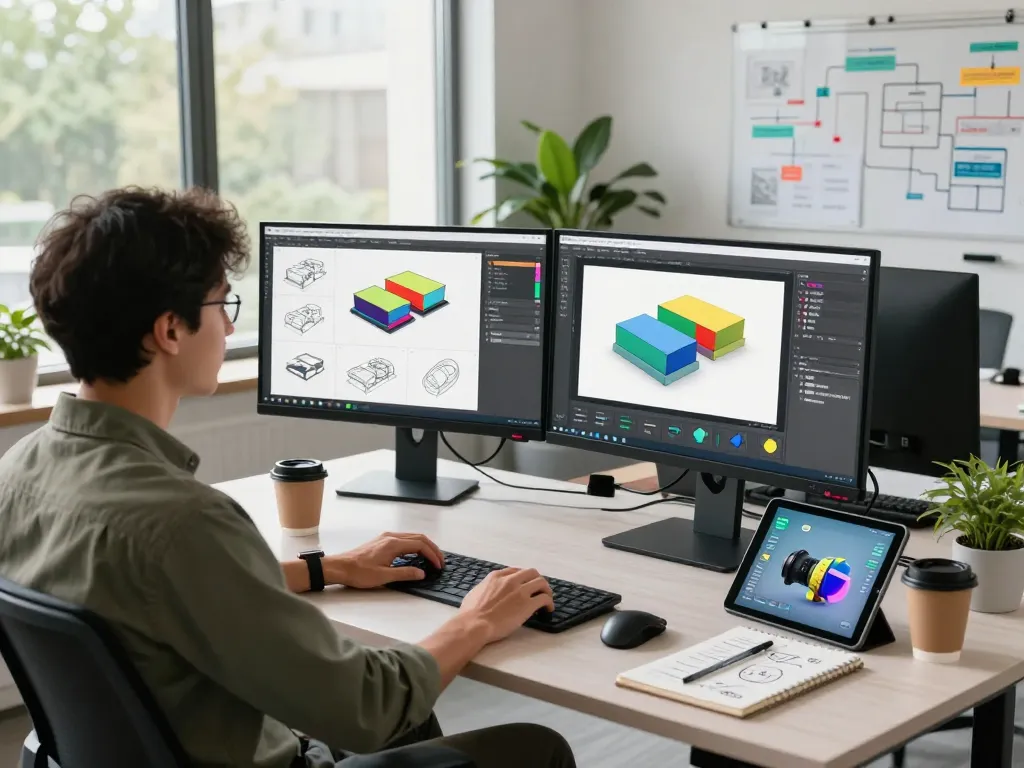
3D product configurator software enables businesses to create interactive models of their products that customers can manipulate in real-time. Users can select different features, colors, sizes, and more, allowing them to visualize their choices immediately. This technology is especially prevalent in industries where customization is key, such as automotive, furniture, and apparel. By bridging the gap between online and offline shopping, these configurators create a richer context for product understanding, thus enhancing the customer’s decision-making process.
Key Features of Effective 3D Configurators
- Interactivity: Customers can explore products from multiple angles and perspectives.
- Customization Options: Users can modify various elements, ensuring the product meets their specific requirements.
- Real-Time Rendering: Changes made to the product are updated in real-time, allowing for immediate feedback.
- User-Friendly Interface: A simplified navigation process promotes ease of use for all customers, regardless of technical skill.
- Integration Capabilities: Seamless integration with eCommerce platforms and CRM systems is essential for a coherent user experience.
Industries Benefiting from 3D Product Configurators
Numerous industries are harnessing the power of 3D configurators to boost sales and customer satisfaction. Here are some key sectors that stand to gain:
- Automotive: Car manufacturers use configurators to allow customers to customize their vehicles, enhancing engagement and reducing the need for extensive showrooms.
- Furniture: Retailers leverage configurators to let customers visualize how different pieces fit into their homes, ultimately driving conversions.
- Apparel: Fashion brands utilize these tools to showcase different styles, colors, and fits, allowing shoppers to create their unique looks.
- Jewelry: Custom jewelers use 3D configurators to enable clients to design their pieces to exact specifications.
Benefits of Implementing 3D Product Configurator Software
Enhancing Customer Experience with Customization
In an age where personalization reigns supreme, 3D product configurator software excels at creating tailored customer experiences. By letting consumers personalize their products, brands foster a deeper emotional connection with their audience. This not only leads to increased satisfaction but also helps build loyalty, as customers appreciate having their unique needs met.
Streamlining Sales Processes and Reducing Returns
Implementing a 3D product configurator can significantly streamline the sales process. By allowing customers to visualize products exactly as they will appear, the chances of miscommunication and dissatisfaction are minimized, leading to fewer returns. This efficiency can translate to a higher profit margin and improved resource allocation for companies.
Driving Engagement and Boosting Conversion Rates
Engagement is critical to converting leads into sales. Engaging users through interactive models increases the time spent on site and enhances the likelihood of conversion. Research shows that users who interact with a configurator tend to have a higher likelihood of completing their purchases. Therefore, brands that embrace 3D product configurators can expect better conversion rates and a more satisfying customer journey.
Challenges in Using 3D Product Configurator Software
Technical Barriers and Implementation Issues
Despite the advantages, the implementation of 3D product configurator software is not without challenges. Technical barriers, such as the integration of 3D models and the software’s compatibility with existing systems, can hinder the adoption process. Additionally, businesses often find themselves needing specialized skills to manage and maintain these systems effectively.
Managing Complex Product Data Effectively
Managing product data for 3D configurators can be a daunting task. As products become more complex, the need for meticulous data management increases. Companies must invest in processes that ensure their data is accurate and up-to-date, which can require significant resources.
Overcoming User Adaptation to New Technologies
Not all customers are tech-savvy, and introducing new technology can sometimes alienate portions of a brand’s audience. Ensuring that users can adapt to and understand the configurator is crucial. This often necessitates user education and support during the transition phase to ensure that customers feel comfortable using these tools.
Best Practices for Success with 3D Product Configurators
Designing Intuitive User Interfaces
A well-designed user interface is paramount in ensuring the success of a 3D configurator. Complexity should be turned into simplicity, guiding users through the process seamlessly. Providing clear instructions and visual cues enhances usability and encourages user engagement.
Integrating AR/VR for Enhanced Interaction
Augmented Reality (AR) and Virtual Reality (VR) technologies can significantly elevate the user experience. These technologies allow customers to visualize products in their real-world environment, thus providing a more immersive and accurate experience. Brands that invest in AR/VR capabilities will likely see enhanced interaction rates and a more profound emotional impact on customers.
Regular Updates and Customer Feedback Loops
To maintain relevance, it is essential for businesses to continuously update their 3D product configurator software based on customer feedback. Gathering insights from users not only improves functionality but also demonstrates a brand’s commitment to meeting customer needs and preferences.
Future Trends in 3D Product Configurator Software
Predictions for 2026 and Beyond
As technology progresses, we can expect 3D product configurators to become even more advanced, incorporating AI-driven personalization, enhanced realism in rendering, and improved integration with eCommerce platforms. By 2026, we may witness a significant increase in the realism of 3D models, further blurring the line between physical and digital shopping experiences.
Emerging Technologies Influencing Product Configuration
Advancements in artificial intelligence and machine learning will play a crucial role in future 3D configurators. These technologies can analyze customer behavior and preferences, allowing businesses to offer tailored suggestions and enhancing the overall shopping experience.
Case Studies: Brands Leading the Way
Examining brands that successfully employ 3D product configurators reveals valuable insights. For instance, automotive manufacturers like Tesla have integrated robust configurators that allow consumers to personalize their vehicles extensively. Similarly, furniture companies such as IKEA utilize these tools to let customers visualize how items will fit in their homes, thus enhancing buyer confidence and satisfaction.
What industries can benefit from 3D product configurator software?
Numerous industries can leverage the benefits of 3D product configurators, including fashion, home decor, automotive, and technology sectors. Each has unique customization needs that 3D configurators can fulfill, leading to improved customer satisfaction and increased sales.
How does 3D product configurator software improve customer satisfaction?
3D product configurator software enhances customer satisfaction by allowing users to customize products to their exact preferences. This personalization increases engagement, reduces the likelihood of returns, and fosters a sense of ownership over the purchase.
What are the common challenges faced during implementation?
Common challenges include technical issues, data management complexities, and ensuring customer adaptation to new technologies. Addressing these challenges is essential for the successful deployment of configurators.
How do you choose the best 3D product configurator software for your business?
When selecting the best 3D product configurator software, consider factors such as ease of use, customization capabilities, integration with existing systems, and scalability to meet future needs.
What are the key metrics to measure the success of a 3D configurator?
Key metrics include user engagement rates, conversion rates, and overall customer satisfaction scores post-purchase. Analyzing these metrics can provide insights into areas for improvement and highlight the configurator’s impact on business success.