







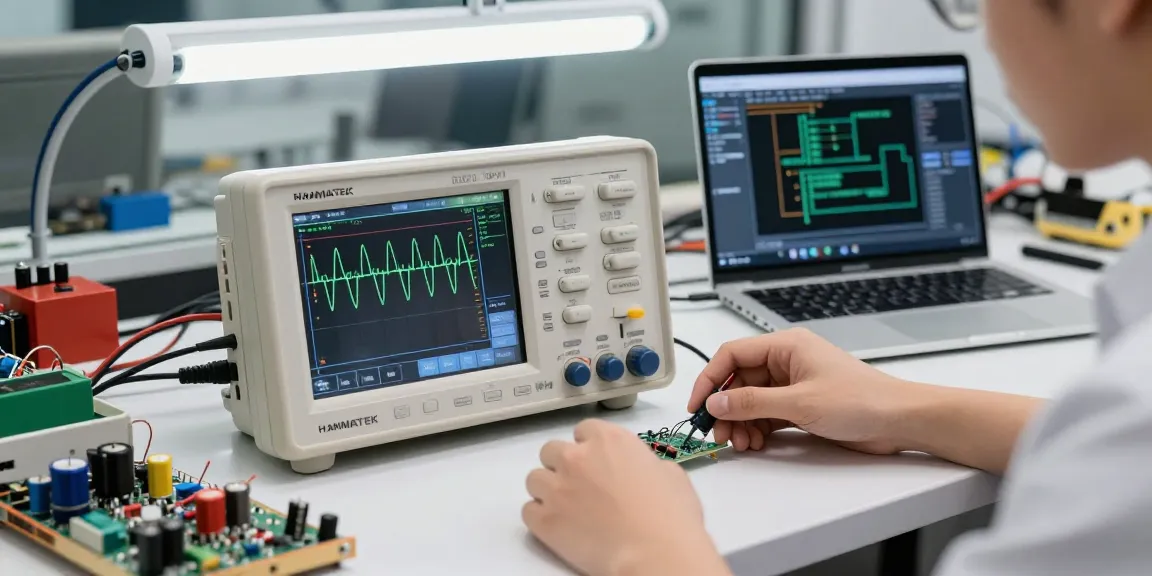
Understanding Hand Held Scopes
Hand held scopes, also known as handheld oscilloscopes, represent a significant advancement in electronics testing technology. These compact devices are designed for portability, allowing engineers and hobbyists to measure and analyze electrical signals on the go. Their multifunctionality, ease of use, and robust performance make them an essential tool for a variety of applications in both professional and educational settings. As the demand for reliable and efficient testing equipment grows, the importance of hand held scopes cannot be overstated.
What are Hand Held Scopes?
Handheld oscilloscopes are portable test instruments that allow users to capture, visualize, and analyze waveforms in real time. Unlike traditional benchtop oscilloscopes, which are stationary and often lack integrated features, hand held scopes are lightweight and battery-powered, making them suitable for field conditions. They typically include a variety of measurement capabilities such as voltage, frequency, and signal integrity analysis, enabling users to perform comprehensive diagnostics without the constraints of a laboratory environment.
Applications in Electronics Testing
The versatility of hand held scopes makes them valuable in various fields, including:
- Electrical Engineering: Used for circuit design and troubleshooting.
- Automotive Diagnostics: Essential for analyzing vehicle electronic systems.
- Education: Aids in teaching fundamental principles of electronics.
- Field Service: Ideal for technicians conducting maintenance and repair in remote locations.
Benefits Over Traditional Benchtop Units
Handheld oscilloscopes provide several advantages over traditional benchtop models:
- Portability: Easy to transport and use in various locations.
- Ease of Use: User-friendly interfaces allow quick setup and operation.
- Integrated Features: Many models come with built-in multimeter functions, reducing the need for multiple devices.
- Cost-Effectiveness: Generally priced lower than their benchtop counterparts, making them accessible to hobbyists.
Choosing the Right Hand Held Scope
Selecting the appropriate handheld oscilloscope is critical for achieving accurate measurements and effective testing results. Understanding the key features and specifications can significantly influence your decision-making process.
Key Features to Consider
When evaluating handheld scopes, consider the following features:
- Bandwidth: Determines the frequency range the oscilloscope can measure. Common options include 10 MHz, 50 MHz, and 100 MHz.
- Sampling Rate: Affects the oscilloscope’s ability to capture fast signals, with higher rates providing greater accuracy.
- Channels: Multiple channels allow for simultaneous measurements on different signals, enhancing analysis capabilities.
- Battery Life: Consider how long the device can operate on a single charge, especially for fieldwork.
Comparing Bandwidth and Channels
Choosing the right bandwidth and number of channels is essential for your specific testing needs. For basic applications, a single-channel scope with lower bandwidth may suffice. However, for complex systems requiring simultaneous analysis of multiple signals, a dual-channel scope with higher bandwidth is recommended.
Understanding Sampling Rates
Sampling rate is crucial as it determines how well the oscilloscope can reconstruct waveforms. A higher sampling rate allows for more precise measurements, particularly for fast-changing signals. It’s advisable to select a handheld scope with a sampling rate at least five times greater than the highest frequency you intend to measure.
How to Use Hand Held Scopes Effectively
To leverage the full potential of handheld oscilloscopes, proper setup and effective measurement techniques are essential.
Setup and Calibration Tips
Before using your oscilloscope, ensure it is correctly set up and calibrated. Follow these steps:
- Connect the probes securely to the oscilloscope and the circuit under test.
- Adjust the vertical and horizontal scales to optimize the signal display.
- Calibrate the oscilloscope based on the manufacturer’s guidelines to ensure accurate readings.
Common Measurement Techniques
Familiarize yourself with the following common techniques to maximize your oscilloscope’s effectiveness:
- Triggering: Set the trigger level to stabilize the waveform display.
- Auto Measurements: Use automated functions to quickly analyze key signal parameters such as frequency and peak-to-peak voltage.
- Data Storage: Take advantage of built-in storage capabilities to save and document critical waveforms for later analysis.
Avoiding Common Mistakes
Common pitfalls to avoid include:
- Failing to check probe calibration, which can lead to inaccurate readings.
- Improper selection of bandwidth settings, resulting in missed high-frequency signals.
- Neglecting to account for ground loops, which can introduce noise into measurements.
Advanced Features and Functions
Modern handheld oscilloscopes often come with advanced features that enhance their usability and functionality.
Exploring Multimeter Functions
Many hand held scopes also function as multimeters, allowing for voltage, current, and resistance measurements. Understanding how to leverage these features can simplify your testing setup and reduce the need for multiple devices.
Utilizing USB Connectivity and Data Management
USB connectivity enables data transfer to external devices for further analysis or documentation. Familiarize yourself with the software applications provided by the manufacturer to maximize data management capabilities.
Advanced Analysis Techniques
Using advanced analysis techniques—such as FFT (Fast Fourier Transform) for frequency domain analysis—can provide deeper insights into complex signals. Make use of these options for a comprehensive analysis of your waveforms.
Future Trends in Hand Held Scopes
The landscape of handheld oscilloscopes is evolving rapidly, driven by technological advancements and changing market demands.
Emerging Technologies for 2026
As we approach 2026, expect to see improvements in processing power, display technology, and connectivity options. For instance, the integration of AI and machine learning will likely enhance automated signal analysis features, making these tools even more intuitive and user-friendly.
Market Predictions and Consumer Needs
Market predictions suggest an increasing demand for versatile, cost-effective handheld oscilloscopes suitable for both professionals and hobbyists. The drive towards miniaturization and portability will continue, making these devices essential in modern electronics.
Integration with IoT and Smart Devices
The integration of handheld oscilloscopes with IoT (Internet of Things) technology will enable real-time monitoring and data analysis from connected devices. This advancement will facilitate predictive maintenance and proactive troubleshooting in various industrial applications.
What is the best way to maintain a hand held scope?
To ensure longevity and optimal performance of your handheld oscilloscope, adhere to the following maintenance tips:
- Regularly clean the probes and connectors to prevent signal degradation.
- Store the device in a protective case to avoid physical damage.
- Perform periodic calibration checks as recommended by the manufacturer.
Can beginners effectively use hand held scopes?
Absolutely! Hand held scopes are designed with user-friendliness in mind. Many models feature intuitive interfaces and instructional materials tailored for beginners, making them accessible for anyone looking to explore electronics testing.
What are the general price ranges for hand held scopes?
Handheld oscilloscopes can range from affordable models starting around $100 to more advanced units exceeding $1,000. The choice will depend on the required specifications and features for your intended applications.
How do I troubleshoot my hand held scope?
If you encounter issues with your oscilloscope, start by checking the following:
- Ensure that all connections are secure and functioning correctly.
- Calibrate the device as needed.
- Consult the user manual for troubleshooting steps specific to your model.
Are there accessories recommended for hand held scopes?
Accessories can enhance your handheld oscilloscope experience. Commonly recommended items include:
- Replacement probes to ensure accurate measurements.
- Protective cases for safe transport.
- Calibration tools to maintain measurement accuracy.