









Introduction to Sandakphu Trek
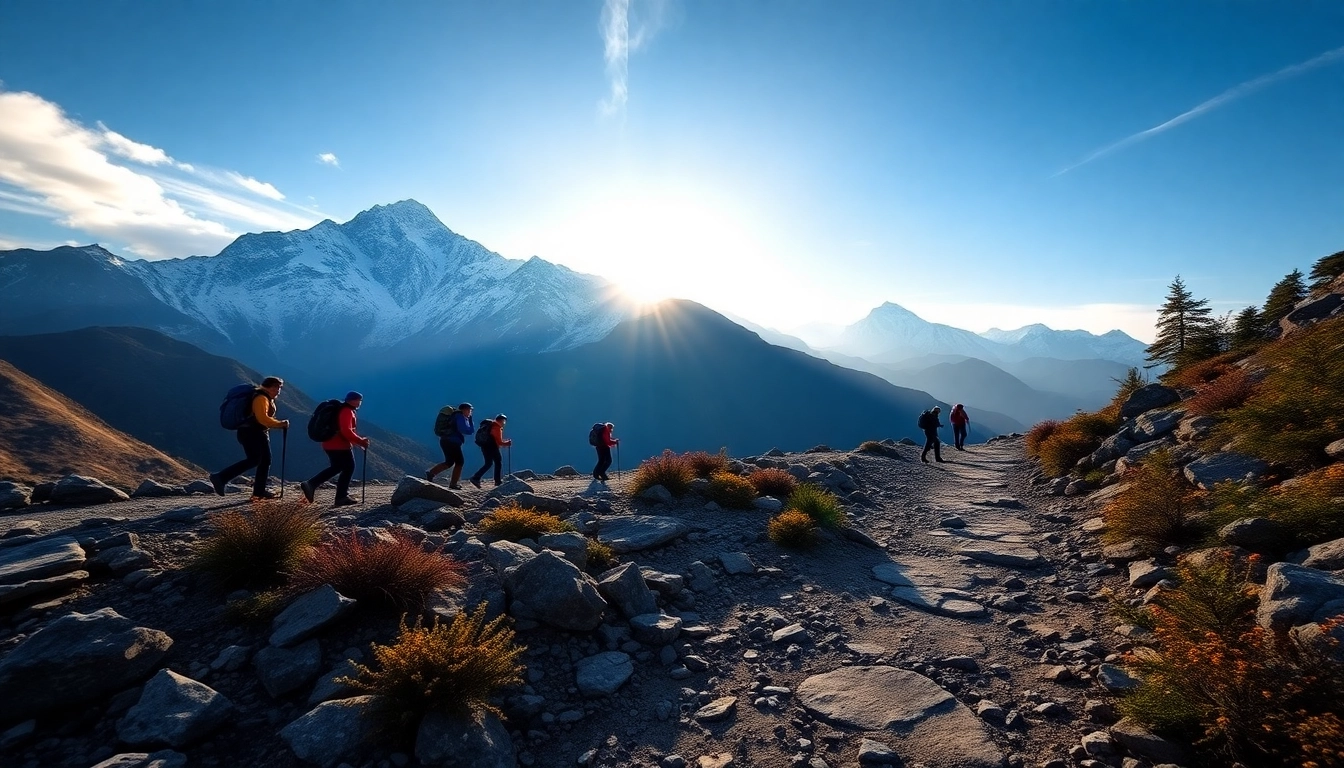
The sandakphu trek stands out not only for its breathtaking scenery but also for the unique experiences it offers trekkers. Situated in the Eastern Himalayas on the border of India and Nepal, Sandakphu is the highest peak in West Bengal and is renowned for its panoramic views of four of the world’s tallest mountains: Kanchenjunga, Everest, Lhotse, and Makalu. As we explore the various aspects of the trek, you will discover why it has become a favored destination among both seasoned trekkers and adventure novices alike.
What Makes Sandakphu Trek Unique?
Sandakphu trek is unique for its blend of stunning natural beauty, rich culture, and relatively accessible trails. At altitudes reaching over 11,900 feet, trekkers are treated to awe-inspiring vistas that make the exertion worthwhile. The trek also traverses through lush rhododendron forests, quaint villages, and offers glimpses into the lives of the local communities inhabiting the region. Furthermore, the trek navigates through a landscape that reflects the rich biodiversity and varied ecology of the Himalayas, making it a treat for nature lovers.
Seasonal Highlights for Sandakphu Trek
Choosing the right time to embark on the sandakphu trek can significantly enhance the trekking experience. Spring (March to April) and autumn (October to November) are generally considered the best seasons for this journey. During these months, the weather is pleasant, and the skies are generally clear, enabling trekkers to enjoy the majestic mountain views. In spring, the blooming rhododendrons add bursts of color to the landscape, while autumn offers the clearest visibility of the peaks. Winter treks can be exhilarating, but they require careful planning and adequate gear due to temperatures that can plummet.
Preparation Checklist for Trekkers
Proper preparation is key when planning for the Sandakphu trek. Here’s a checklist of essentials:
- Physical Fitness: Engage in regular cardio and strength training to prepare your body for the physical demands of the trek.
- Gear: Invest in good-quality trekking shoes, weather-proof jackets, sleeping bags, and trekking poles.
- Acclimatization: Allow your body to adjust to increasing altitude; consider spending an extra day at lower elevations if necessary.
- Guides and Permits: Hire local guides for an enriching experience and ensure you obtain necessary permits in advance.
- Medical Kit: Always carry a first aid kit equipped for high-altitude treks.
Route and Itinerary of Sandakphu Trek
The sandakphu trek typically spans a distance of approximately 50-65 kilometers, depending on the chosen route. The following is a brief overview of a common itinerary that highlights each day’s activities and sights.
Day-by-Day Breakdown of Sandakphu Trek
Day 1: Darjeeling to Reshikhola
The journey begins in Darjeeling with a scenic drive to Reshikhola. Here, trekkers can acclimatize and explore the surroundings before the trek officially starts.
Day 2: Reshikhola to Tumling
The trek to Tumling traverses lush landscapes and offers the first glimpses of the majestic peaks. This moderate trek takes around 4-5 hours.
Day 3: Tumling to Kalapokhri
On the way to Kalapokhri, trekkers will encounter Buddhist monasteries and local villages, providing a deep cultural insight into the region.
Day 4: Kalapokhri to Sandakphu
This is the longest yet most rewarding segment of the trek. Expect to witness breathtaking views as you approach the summit of Sandakphu.
Day 5: Sandakphu to Phalut
Trekking from Sandakphu to Phalut offers unparalleled views of the Himalayas and is considered one of the most scenic stretches of the trek.
Day 6: Phalut to Rammam
As you descend toward Rammam, relish the tranquility of the lush forests and diverse flora that line the trail.
Day 7: Rammam to Darjeeling
The final day involves returning to Darjeeling, marking an end to an unforgettable adventure.
Must-See Stops on Sandakphu Trek
Along the glorious path, several notable landmarks deserve attention:
- Gurumaney Monastery: A serene place that reflects the spiritual heart of the region.
- Phalut Hill: Offers stunning panoramic views, made famous by its vantage point.
- Kangchenjunga National Park: A UNESCO World Heritage site known for its rich biodiversity.
Alternative Routes for the Sandakphu Trek
While the classic route is incredibly popular, there are alternative paths to consider that cater to different skill levels or interests. For instance:
- Gorkhey Route: A longer but less traveled route that provides a sense of solitude.
- Phalut from Sepi: A route ideal for trekkers looking to witness less known trails while still enjoying spectacular views.
Challenges and Rewards of Sandakphu Trek
Tackling the sandakphu trek comes with its set of challenges, but the rewards often outweigh them.
Physical and Mental Preparation for Sandakphu Trek
Physical endurance is crucial when preparing for the trek. Regular hiking on varied terrains can greatly enhance your stamina. Moreover, mental resilience is equally essential; preparing yourself to face uncertain weather conditions and the physical toll of high-altitude trekking helps cultivate a positive mindset.
Weather Considerations for the Sandakphu Trek
Weather in the Himalayas can be unpredictable. Trekkers should be prepared for sudden changes in weather, especially during the monsoon and winter months. Tracking trends online and engaging with local guides can provide insights for better planning.
Gearing Up for the Sandakphu Trek
Having the right equipment can make or break your experience. Key essentials include:
- Clothing: Layering is vital. Choose moisture-wicking base layers, insulating mid-layers, and waterproof outer layers.
- Footwear: Invest in sturdy, comfortable trekking boots that offer good ankle support.
- Backpack: A lightweight, durable pack that can fit all necessities while remaining comfortable.

Local Culture and Experiences Along Sandakphu Trek
The Sandakphu trek is not just a journey through nature but a cultural immersion into local heritage. Trekkers have ample opportunities to engage with local communities and learn about their traditions.
Interactions with Local Communities
Throughout the trek, you will encounter local Sherpa and Bhutia communities. Interacting with them provides insight into their lifestyles, cultural practices, and the challenges they face due to changing climates.
Cultural Significance of the Region
This area holds deep cultural and historical significance, with many monasteries and local festivals that trekkers can witness. Attending these celebrations can deepen your understanding of the diverse cultures thriving in the Himalayas.
Traditional Cuisine to Try on the Sandakphu Trek
Don’t miss out on local delicacies like momos, thukpa, and various steaming soups that reflect the rich culinary traditions of the region. Each meal not only nourishes but also connects you to the local way of life.
FAQs About Sandakphu Trek
How difficult is the Sandakphu trek?
The Sandakphu trek is rated as moderate, though it can be challenging for those who aren’t accustomed to long hours of hiking and altitude changes. Proper physical preparation is essential.
When is the best time for the Sandakphu trek?
The ideal months to undertake the Sandakphu Trek are March, April, October, and November. During these times, you will find favorable weather and stunning views.
Can beginners navigate Sandakphu trek?
Yes, beginners can take on the Sandakphu trek. However, a good level of fitness is necessary, as the trek involves long stretches, elevation changes, and hours of walking.
What gear is essential for Sandakphu trek?
Essential gear includes good trekking shoes, a durable backpack, moisture-wicking clothing, a sleeping bag, and a first aid kit designed for high-altitude treks.
How long is the Sandakphu trek?
The Sandakphu trek typically takes 6 to 7 days, covering around 50-65 kilometers, depending on the chosen route and itinerary.