










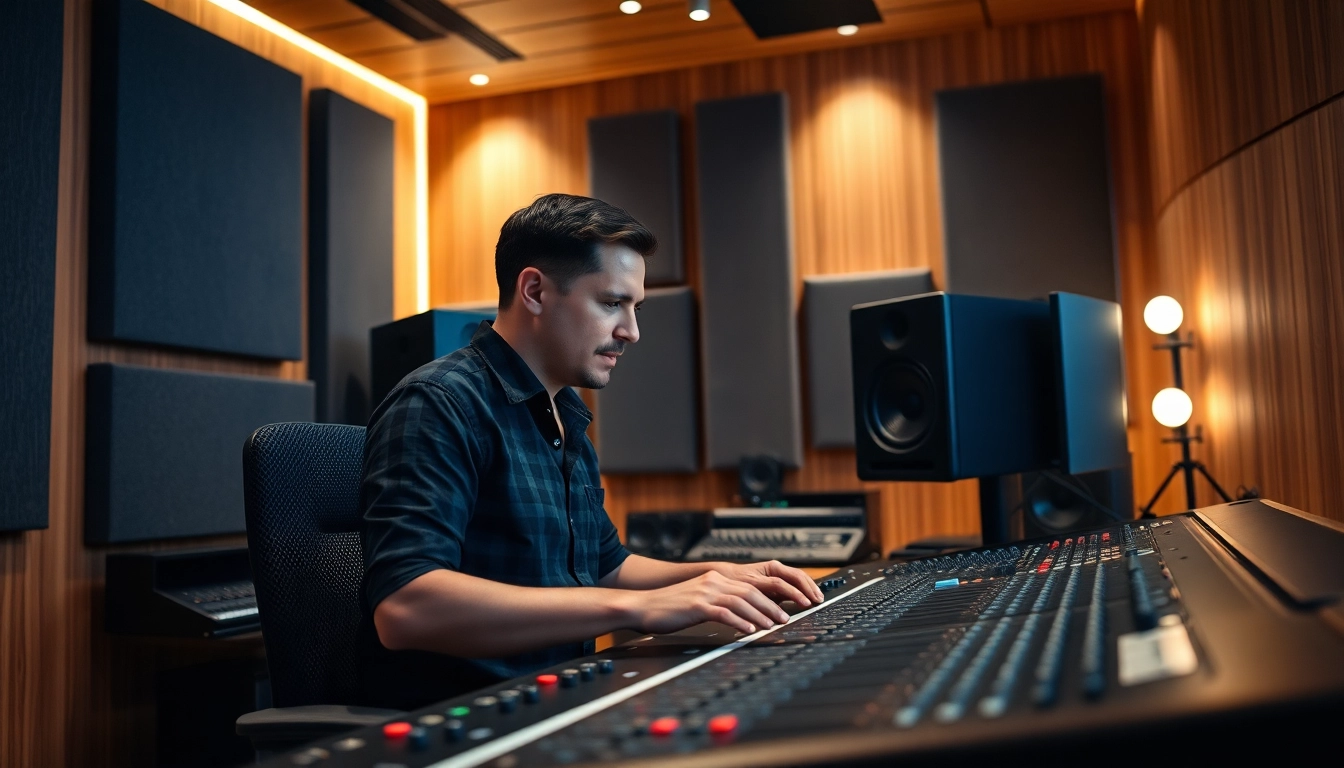
Understanding Online Mastering
What is Online Mastering?
Online mastering is a digital process that enhances and finalizes a music track to ensure it is ready for distribution and streaming. By utilizing specialized software and skilled audio engineers, artists can achieve a polished sound that meets industry standards. Unlike traditional mastering, which often requires physical studio presence, online mastering allows musicians to send their tracks over the internet, making it more accessible and convenient. Whether you’re an aspiring artist or a seasoned professional, online mastering provides an essential service that bridges the gap between recording and professional release.
Benefits of Online Mastering
The benefits of online mastering are numerous and cater to both budding artists and established musicians. Here are some of the most significant advantages:
- Accessibility: Musicians can access mastering services from anywhere in the world, making it especially beneficial for those who may not have local options.
- Cost-effective: Online services often offer competitive pricing compared to traditional mastering studios, which can mitigate some of the production costs.
- Speed: Many online mastering services can deliver completed tracks within days, allowing artists to release music quickly.
- Real-time collaboration: Some platforms offer features that allow artists to communicate directly with mastering engineers, making the revision process smoother.
- Multiple formats: Online mastering services often provide tracks in various file formats, ensuring compatibility across different platforms.
How Online Mastering Differs from Traditional Mastering
While both online and traditional mastering focus on enhancing audio quality, they differ significantly in their processes. Traditional mastering typically involves in-studio sessions where artists and engineers work closely together, often using high-end physical equipment. On the other hand, online mastering utilizes digital platforms, allowing uploads of tracks and often relying on automated systems alongside human expertise.
Moreover, online mastering is generally more flexible concerning time and location. Artists can work at their own pace and submit tracks whenever they are ready, whereas traditional mastering usually requires scheduled appointments. This shift also aligns well with the changing nature of music production, where remote collaboration has become much more common.
Choosing the Right Online Mastering Service
Factors to Consider When Selecting a Service
Choosing the right online mastering service can significantly affect the quality of your final mix. Here are some essential factors to consider:
- Experience: Look for services that have a proven track record. Checking the profiles of their engineers can provide insight into their qualifications.
- Samples: Most mastering services will offer sample tracks or demos. Evaluating these can help you assess whether their style aligns with your vision.
- Turnaround time: Depending on your release schedule, you’ll want a service that meets your deadlines without compromising quality.
- Technical support: Ensure they have a support system for any questions or issues that may arise during the mastering process.
Understanding Pricing Structures
Pricing for online mastering services can vary widely. It typically depends on factors like the complexity of the project, the level of service provided, and additional features such as revisions or specific formats. Some services charge per track, while others may offer packages that include multiple tracks at a reduced rate. It’s essential to align the service with your budget while ensuring quality is not sacrificed.
Evaluating Quality and Reviews
Before settling on a service, it’s wise to evaluate customer reviews and testimonials. Look through forums, social media, and dedicated review sites to determine the reputation of the service. Positive feedback from previous clients can indicate reliable quality and customer service. However, it’s also good to be cautious of only highly favorable reviews, as they may not accurately represent the potential experience.
Steps Involved in the Online Mastering Process
Preparing Your Tracks for Mastering
Proper preparation of your tracks is crucial for effective online mastering. Follow these essential steps:
- Mix down your tracks: Ensure all elements of your song are well-balanced. This includes managing levels, EQ, and dynamics.
- Leave headroom: Aim to have your track peaks at around -6dB to -3dB to ensure that there is enough headroom for the mastering process.
- Export in the highest quality: Deliver your tracks in a lossless format such as WAV or AIFF to maintain audio fidelity.
- Include notes: If you have specific requests regarding the sound, provide notes or references to clarify your vision.
Submitting Your Project
Once your tracks are prepared, the submission process can vary by service. Typically, this will involve:
- Uploading files: Most platforms will provide a straightforward interface for file uploads.
- Choosing options: Some services allow you to customize the mastering process with select features.
- Payment: Complete any necessary payment after reviewing pricing options.
Receiving and Reviewing Your Master
After the mastering process is complete, you’ll receive your mastered track via the platform.
It’s important to listen carefully and evaluate how well the final product aligns with your expectations. If adjustments are necessary, communicate clearly with the mastering engineer regarding your specific concerns. Many services offer the option for revisions to help finalize your track perfectly.
Common Challenges in Online Mastering
Resolving Audio Quality Issues
Even with the best preparation, audio quality issues can arise during online mastering. Identifying common problems like muddiness, distortion, and imbalanced frequencies is essential. To address these issues, consider providing detailed notes on your mix, engaging in a feedback dialogue with the engineer, and requesting specific adjustments during the mastering phase.
Managing Expectations with Feedback
Feedback can be subjective, especially in creative fields like music. Managing expectations with feedback means being clear about what you want from the process while remaining open to professional insights. It’s crucial to remember that mastering is an art form, and sometimes a second opinion can enhance your track significantly.
Navigating Communication with Engineers
Effective communication with mastering engineers is paramount for a successful outcome. Be concise and specific when discussing your needs. Providing references from other songs can help the engineer understand your desired sound, ensuring that everyone is aligned during the mastering process.
Measuring Success: Metrics for Quality Mastering
Understanding Loudness Standards
One critical metric of mastering quality is loudness, often measured in LUFS (Loudness Units Full Scale). Different platforms and genres have distinct loudness targets, and understanding these can help ensure your music plays well across various environments. For example, streaming platforms often have specific loudness thresholds, which makes it essential to manage dynamic range effectively.
Analyzing Streaming Platforms’ Requirements
Each streaming service has its technical specifications for volume, file formats, and dynamic range, affecting how your mastered track sounds once uploaded. Familiarizing yourself with these requirements can ensure that your music is optimized for the best listening experiences, retaining its intended quality across platforms.
Feedback from Listeners and Professionals
Listener feedback is invaluable for gauging the effectiveness of your mastering process. Pay attention to how both fans and industry professionals react to the final product. Positive reception can reaffirm the quality of your track, while constructive criticism can offer insights into further improvements for future projects.
Frequently Asked Questions
What file format should I submit for online mastering?
It’s best to submit your tracks in a lossless format, such as WAV or AIFF, to ensure high-quality audio for the mastering process.
How long does online mastering typically take?
The turnaround time can vary, but many online mastering services provide completed tracks within 24 to 72 hours, depending on their workload.
Can I get revisions on my mastered tracks?
Most online mastering services offer one or more revisions as part of the package. Be sure to clarify this with your chosen provider.
Do I need to mix my tracks before mastering?
Yes, it’s essential to have your tracks properly mixed before sending them for mastering to achieve the best possible results.
What is the difference between mixing and mastering?
Mixing involves balancing individual audio tracks in a song, while mastering is the final step that polishes and prepares the final mix for distribution.