









Understanding Location Scouting
What is Location Scouting?
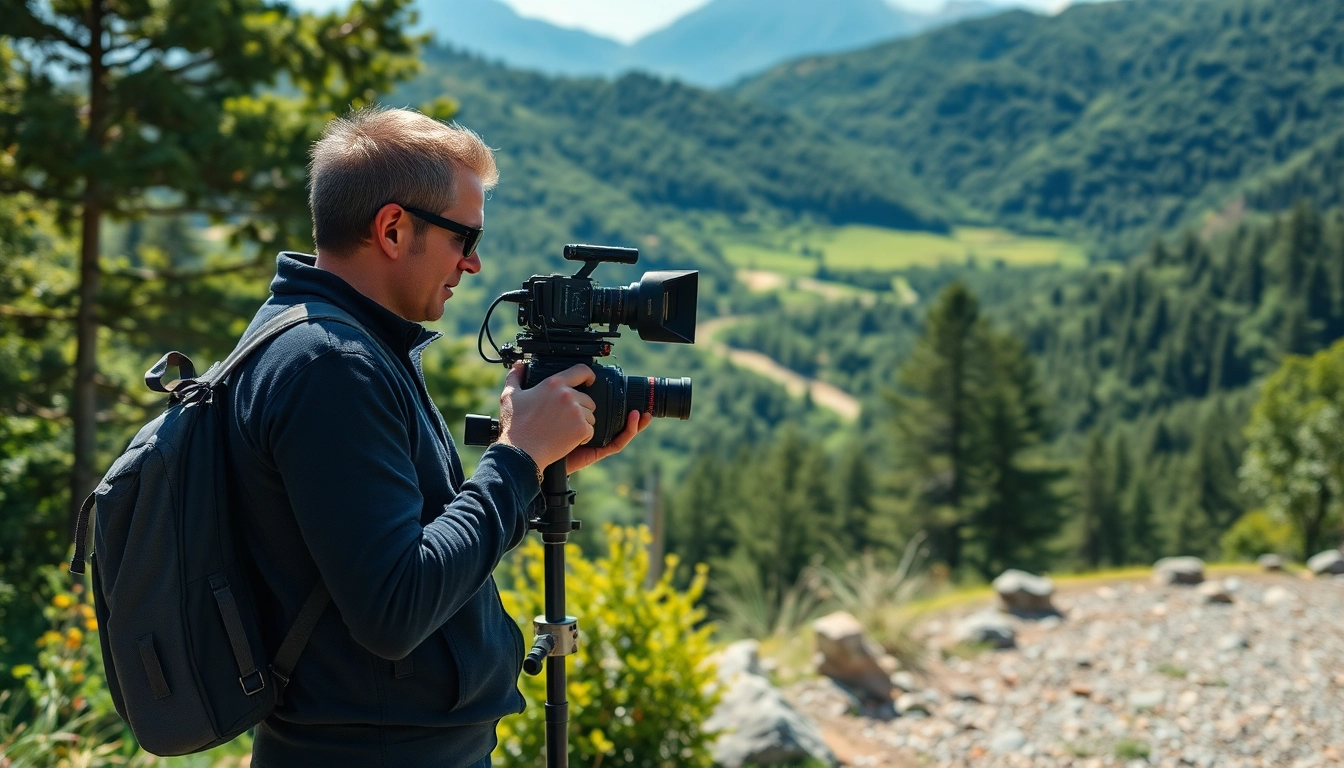
Location scouting is the process of searching for and selecting suitable locations for filming. It significantly influences the aesthetic and narrative appeal of a video project. Scouting is not merely about finding a picturesque spot; it involves understanding the logistics of each location, assessing its functionality, and ensuring it aligns with the project goals. This critical step gives filmmakers a chance to visualize their script in a real-world context, ensuring that every shot feels authentic and connected to the story.
Importance of Location Scouting
The importance of Location scouting cannot be overstated. The right location can elevate a project from mundane to magical. It acts as a character in the narrative, shaping the viewer’s experience and perception. Thoughtfully chosen locations enhance the production’s credibility and resonate with the audience, while poorly selected sites can detract from the story. Moreover, effective scouting ensures that the logistical challenges, such as accessibility, permits, and environmental conditions, are addressed upfront, facilitating smoother production schedules.
Types of Locations for Videography
Location choices broadly fall into three categories:
- Natural Locations: These include parks, beaches, forests, and other outdoor settings that can provide stunning visuals.
- Urban Settings: Cities and towns offer diverse backdrops, from street scenes to architectural wonders.
- Studio Environments: Controlled settings where elements can be manipulated to achieve the desired look without external interferences.
Each type of location presents unique advantages and challenges, and ideal choices depend upon the project’s specific needs and creative vision.
Planning Your Location Scouting
Creating a Scouting Checklist
A comprehensive scouting checklist is essential for ensuring no detail is overlooked. Elements can include:
- Accessibility: Assess how easy it is to reach the location.
- Permits: Confirm if permissions are required for filming.
- Facilities: Check for restrooms, parking, and areas for cast and crew to prepare.
- Lighting: Examine natural lighting conditions at different times of the day.
- Sound: Evaluate noise levels that could interfere with recording.
- Safety: Identify any potential hazards that could affect crew and cast.
This checklist not only enhances the efficiency of the scouting process but also serves as a reference for future projects.
Setting Goals for Location Scouting
It’s crucial to set clear, attainable goals before heading out for location scouting. Ask yourself:
- What story are we telling, and how does the setting complement our narrative?
- What emotions do we wish to evoke in the audience?
- Are there specific themes that the chosen location needs to represent?
By framing these goals, you increase the likelihood of selecting a location that marries beautifully with the narrative and aesthetic objectives of your project.
Identifying Your Target Audience
Understanding the target audience is pivotal in location scouting. Different demographics may respond variably to settings based on cultural significance or personal preferences. If your audience is predominantly urban, modern locations with sleek architecture might resonate more. Conversely, a project aimed at families with children might thrive in a more rustic, natural environment. Tailoring your location choices to your audience aids in enhancing viewer engagement and emotional connection.
Conducting the Location Scouting
Tips for Effective Site Visits
When conducting site visits, keep these tips in mind:
- Visit Multiple Times: Different times of day offer various lighting and weather conditions.
- Bring a Camera: Capture photos and videos from multiple angles for later reference.
- Take Notes: Document your impressions regarding both the pros and cons of the location.
- Engage with Locals: Conversations with people familiar with the area can provide insights you might not consider.
Each site visit is an opportunity to dive deeper into the setting, reinforcing or challenging your initial impressions.
Using Technology for Location Scouting
In today’s digital age, technology plays a significant role in location scouting. Tools such as:
- GIS Mapping: Offers geographical insights and analytics for locations.
- Virtual Reality (VR): Enables remote explorations of potential sites through 3D modeling.
- Photography Apps: Allow quick editing and sharing of photos taken during scouting.
Leveraging these technologies can streamline the scouting process, help more effectively visualize potential shots, and enhance collaboration among team members.
Documenting Your Findings
Documentation is a critical step in location scouting. Creating a detailed report or a visual presentation encapsulating your findings ensures that crucial information is preserved. Include:
- Photographs that capture the location’s essence
- Notes on accessibility and logistical considerations
- Possible shot compositions
This documentation serves not only as a reference for the current project but also as a valuable resource for future projects.
Post-Scouting Considerations
Evaluating Location Potential
After scouting, reflect on the locations to evaluate their potential. Consider whether they fulfill the project’s narrative requirements, budget restrictions, and logistical demands. It’s essential to weigh the pros and cons of each site against the shooting needs. Engage in discussions with your creative team to gauge their feelings regarding the location and how it fits into the overall vision of the project.
Engaging with Location Owners
Once you’ve narrowed down your options, the next step includes engaging with location owners. Building a rapport with owners can lead to greater flexibility during the shoot and enhance the ease of obtaining permits. Discuss your project in detail to provide assurances about how you’ll treat their property and to clarify any concerns they may have. Open communication often results in cultivating a partnership that benefits both parties.
Finalizing Your Location Choices
In finalizing your location choices, ensure thorough verification of all logistical details, including potential costs, insurance policies, and scheduling. Additionally, consider revisiting shortlisted sites with your director or cinematographer to further align your creative vision. Trust your instinct and experience when making the final decisions, as every location contributes significantly to the project’s artistry.
FAQs About Location Scouting
What should I look for during location scouting?
Assess accessibility, lighting conditions, noise levels, and the location’s fit with the story. Capture visuals and take detailed notes during your visit.
How can I save time on location scouting?
Utilize technology, such as GIS maps and VR tools. Prioritize your goals and create a targeted checklist to streamline the process.
Are fees involved in location scouting?
Yes, fees may include permit costs, site rentals, or insurance, depending on the location and its regulations. Always inquire beforehand.
What tools can help in location scouting?
Tools like map applications, camera gear for photo documentation, and project management software can facilitate effective scouting and communication.
Visualizing the shot – why is it important?
Visualizing shots helps in planning the narrative. It ensures the location complements the intended emotional tone and enhances storytelling through visuals.