










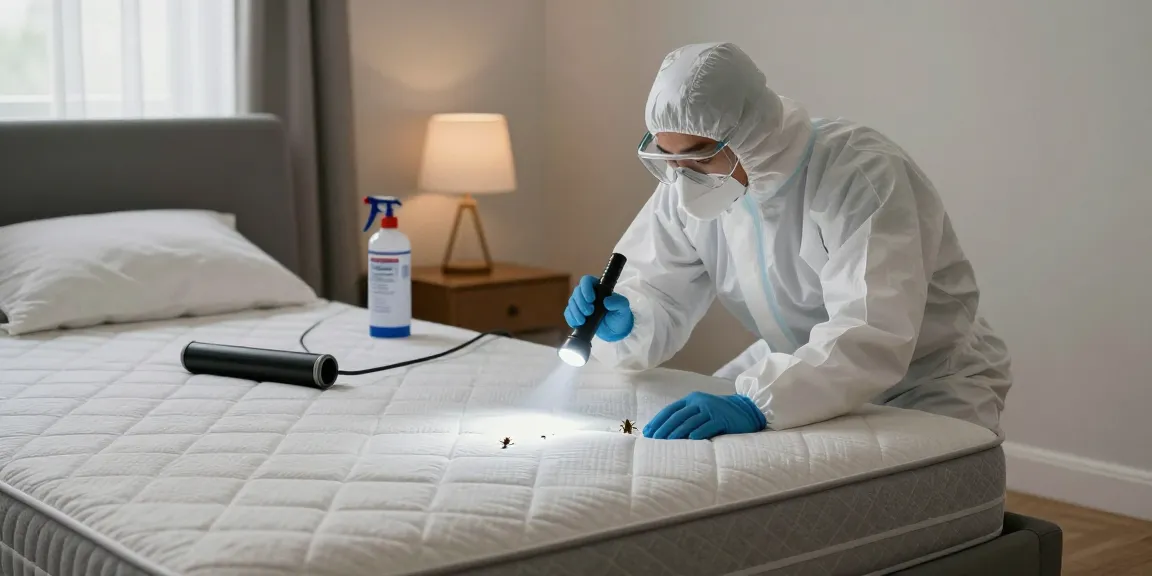
Understanding the Bed Bug Problem
Bed bugs have become a significant concern for homeowners and businesses alike, not only due to their discomforting bites but also because of the complexities involved in their removal. As these pests continue to thrive in various environments, understanding their behavior, life cycle, and signs of infestation is crucial for effective bed bug management. The importance of seeking professional assistance cannot be overstated, especially when it comes to bed bug removal that guarantees long-term solutions.
What Are Bed Bugs and Their Behavior?
Bed bugs, scientifically known as Cimex lectularius, are small, reddish-brown insects that feed on the blood of humans and other warm-blooded animals. Adult bed bugs are approximately 4-5 mm in length and are flat, oval-shaped, which allows them to hide easily in crevices. Their behavior is primarily nocturnal, emerging at night to feed, which adds to the challenge of detecting an infestation early. Understanding their feeding habits, preferred hiding spots, and optimal living conditions can provide insights into effective pest management strategies.
Common Myths About Bed Bug Infestations
Many misconceptions surround bed bugs, contributing to ineffective treatment methods and increased anxiety. One prevalent myth is that bed bugs are only found in dirty or unsanitary environments. In reality, these pests can thrive in clean, well-maintained homes as they are excellent hitchhikers, often traveling in luggage, clothing, or used furniture. Another myth is that bed bugs can transmit diseases; while their bites can lead to secondary infections due to scratching, they are not known to carry any pathogens harmful to humans. Educating homeowners about these myths is essential in promoting effective prevention strategies.
Signs of Bed Bug Infestation to Look For
Recognizing the signs of a bed bug infestation early can make a significant difference in the effectiveness of treatment. Key indicators include:
- Bite marks: Typically found in a linear pattern, these bites may become itchy and inflamed.
- Bloodstains: Small spots on bedding or mattresses may indicate crushed bugs post-feeding.
- Dark spots: These fecal stains can often be found on bed linens, mattresses, and walls.
- Eggs and shed skins: These tiny white eggs and the exoskeletons of molted bed bugs can be found in hiding spots.
Effective Bed Bug Removal Strategies
Choosing the right bed bug removal strategy is vital for a successful extermination that lasts. When considering options, it is essential to weigh the benefits and limitations of different treatment methods. In this context, understanding heat treatment and chemical treatment plays a crucial role in formulating an effective extermination plan.
Heat Treatment vs. Chemical Treatment: Key Differences
Heat treatment involves raising the temperature in an infested area to a level that is lethal to bed bugs, typically around 120°F (49°C) or higher. This method is effective against all life stages, including eggs, and is eco-friendly, making it an ideal choice for those concerned about using chemicals. On the other hand, chemical treatments involve the application of pesticides that target bed bugs and provide a residual barrier for long-term protection. Each method has its pros and cons, and often, a combination of both is necessary for comprehensive bed bug removal.
Step-by-Step Process for Professional Bed Bug Removal
Professional bed bug removal typically follows a structured process:
- Inspection: A thorough examination of the property is conducted to identify the extent of the infestation.
- Preparation: Homeowners are advised on how to prepare their space for treatment, including decluttering and laundering bedding and clothing.
- Treatment: Depending on the chosen method(s), treatment is applied systematically throughout the affected areas.
- Monitoring: Follow-up inspections are often scheduled to ensure that the infestation has been eradicated and to prevent re-infestation.
DIY Bed Bug Removal: What Works and What Doesn’t
Many homeowners may initially consider DIY methods for bed bug removal due to cost concerns. However, it is important to note that while some home remedies, such as heat or alcohol sprays may kill individual bugs, they often fail to eliminate infestations completely. DIY methods can lack the pervasiveness needed to reach all hiding places, making professional help essential for effective treatment.
Challenges in Bed Bug Extermination
Bed bugs pose unique challenges that can complicate extermination efforts. Their resilience and ability to adapt to various environments make them one of the most difficult pests to eliminate.
Resilience of Bed Bugs: Why They Are Hard to Eliminate
Bed bugs have evolved to withstand various environmental stressors, including extreme temperatures and certain pesticides. Their ability to reproduce quickly and to hide in tiny crevices complicates the extermination process. A single female bed bug can lay up to 500 eggs in her lifetime, leading to rapid population growth. Understanding this resilience is crucial for implementing successful extermination strategies.
Common Mistakes in Bed Bug Treatment
Homeowners often make several common mistakes when addressing bed bug infestations:
- Attempting to eliminate bed bugs without professional help.
- Over-reliance on DIY methods that lack effectiveness.
- Failing to prepare adequately for treatment, which can leave infestations untreated.
- Not properly monitoring for re-infestation after treatment.
Importance of Professional Help in Severe Cases
In severe infestations, the assistance of professional exterminators is essential. They have access to advanced tools and techniques that can target bed bugs hidden deep within furniture, walls, and other areas that may be difficult for homeowners to reach. Professional treatments are designed to provide comprehensive, lasting results, reducing the likelihood of future infestations.
Preventing Future Infestations
After successfully eliminating bed bugs, implementing preventive measures is crucial to avoid re-infestation. Awareness of how bed bugs spread and recognizing potential sources can significantly reduce the risk of future problems.
Best Practices for Homeowners Post-Extermination
To prevent future infestations, homeowners should adopt several best practices:
- Regular inspections: Monitor areas where bugs are most likely to hide.
- Proper laundering: Wash and dry bedding, clothing, and other items regularly on high heat.
- Sealing cracks and crevices: Close off potential hiding spots in walls and furniture.
Regular Inspection and Maintenance Tips
Routine inspections, especially after travel or acquiring secondhand furniture, can catch bed bugs early. Homeowners should establish a maintenance routine that includes:
- Checking for any signs of bed bugs in high-risk areas.
- Using encasements on mattresses and box springs to prevent bugs from hiding.
- Keeping clutter to a minimum in bedrooms and living areas.
Educating Family and Guests About Bed Bug Risks
Educating family members and guests about the risks and signs of bed bugs is essential for prevention. This includes discussing safe practices when traveling, such as inspecting hotel rooms, keeping luggage off the floor, and promptly reporting any suspicious bites or signs to the appropriate parties.
Future Trends in Bed Bug Management
The pest control industry is constantly evolving, and new trends are emerging that could change the landscape of bed bug management in the coming years.
Innovative Technologies in Pest Control for 2026
Technological advancements are paving the way for more effective bed bug treatments. Innovations such as thermal imaging and Internet of Things (IoT) monitoring devices allow for early detection and targeted treatments, potentially reducing costs and increasing effectiveness.
Regulatory Changes Impacting Pest Management
As pest management practices evolve, regulatory changes will likely impact how treatments are implemented. Increased regulations on pesticide use may push for more environmentally friendly approaches, including integrated pest management (IPM) strategies that combine various methods for more effective control.
Environmental Considerations in Bed Bug Treatment Solutions
As awareness of environmental issues grows, there is a shift towards using eco-friendly treatments that minimize environmental impact. Methods such as heat treatments and low-toxicity insecticides are gaining popularity, allowing exterminators to effectively eliminate bed bugs while protecting the environment.
What are the first signs of a bed bug infestation?
First signs often include itchy bites, bloodstains on sheets, and dark spots on upholstery or walls.
Can bed bugs be removed by DIY methods effectively?
While some DIY methods may provide temporary relief, they are typically not effective for complete eradication of established infestations.
How often should I check for bed bugs in my home?
Regular checks should occur, particularly after travel or when bringing used items into your home. A thorough inspection should be part of your routine cleaning.
What is the most effective treatment for bed bugs?
The most effective treatment often combines chemical and heat solutions, addressing all life stages of bed bugs for comprehensive extermination.
How do bed bugs spread between homes?
Bed bugs can easily spread via infested luggage, furniture, or even shoes, moving between homes through shared walls or during visits.