Understanding the Basics of 3D Printing
In recent years, 3D printing has emerged as one of the most revolutionary technologies across various sectors. This innovative process enables the creation of physical objects from digital designs, fundamentally changing how we think about manufacturing and design. It is not only transforming industries but also encouraging creativity and sustainability in production. With its wide acceptance and application, understanding the fundamentals of 3D printing is essential for both enthusiasts and professionals alike.
What is 3D Printing?
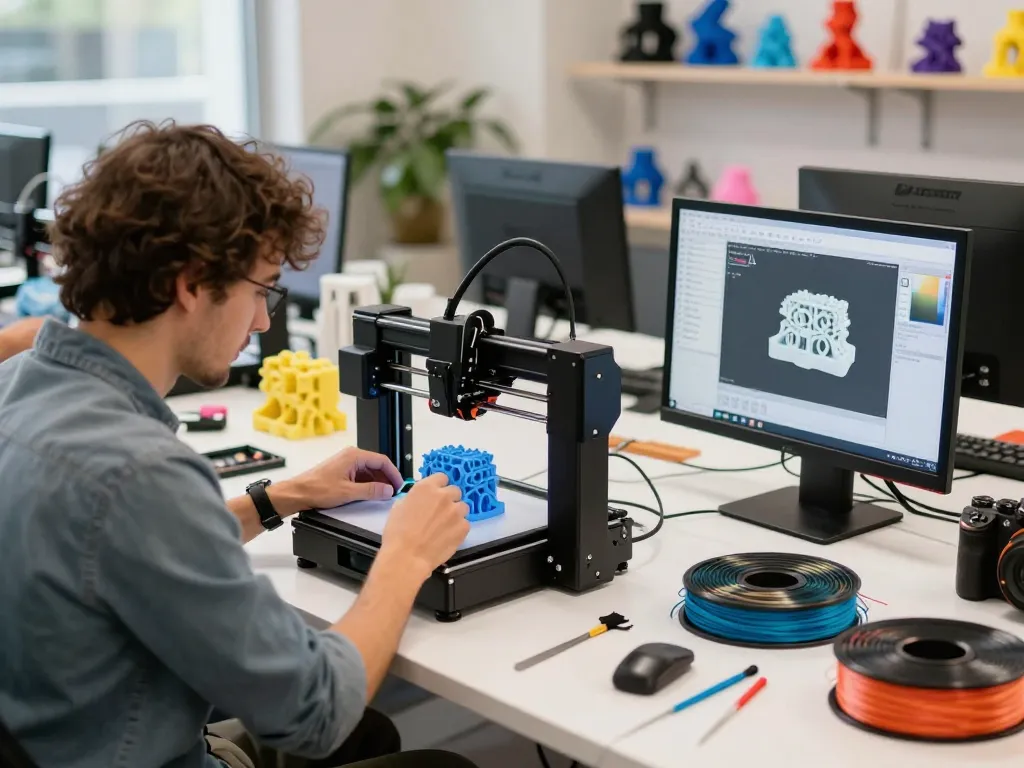
3D printing, also referred to as additive manufacturing, is the process of creating three-dimensional objects from a digital model. The technology works by layering material based on three-dimensional computer-aided design (CAD) models. Each layer is applied sequentially until the final product is created. This method is distinct from traditional manufacturing techniques, which often require expensive molds or significant pre-manufacturing setup.
Types of 3D Printing Technologies
There are several types of 3D printing technologies, each utilizing different techniques and materials:
- Fused Deposition Modeling (FDM): This is the most common and accessible 3D printing method, where thermoplastic filaments are melted and extruded to build layers.
- Stereolithography (SLA): This technology uses a laser to cure liquid resin into hardened plastic, allowing for highly detailed prints.
- Selective Laser Sintering (SLS): This method utilizes a laser to fuse powdered materials into solid structures, offering robust and functional parts.
- Multi Jet Fusion (MJF): A newer innovation, MJF employs multiple jets to apply materials and heat, enabling the production of complex geometries.
Materials Used in 3D Printing
The choice of material is crucial in 3D printing, impacting both the properties and applications of the final product. Common materials include:
- PLA (Polylactic Acid): A biodegradable plastic that is easy to print and popular for beginners.
- ABS (Acrylonitrile Butadiene Styrene): A durable and heat-resistant plastic suitable for functional parts.
- Resins: Used in SLA printing, these materials provide high detail and smooth finishes, ideal for prototyping and jewelry.
- Metal Powders: Typically used in SLS and DMLS (Direct Metal Laser Sintering) for producing strong, lightweight parts for aerospace and automotive applications.
Applications Across Industries
3D printing is being widely adopted across various industries, reflecting its versatility and potential. From prototyping to the production of finished goods, its applications are expansive and transformative.
3D Printing in Manufacturing
In manufacturing, 3D printing streamlines production processes. Companies can create prototypes rapidly, reducing lead times and enabling faster product development cycles. This technology allows for custom production runs and on-demand manufacturing, which helps in minimizing waste and inventory costs. Industries like automotive and aerospace leverage 3D printing for creating complex, lightweight components that traditional methods cannot achieve.
3D Printing in Healthcare
The healthcare sector has embraced 3D printing for producing custom prosthetics, dental implants, and surgical instruments tailored to individual patient needs. Bioprinting is an emerging field within healthcare that focuses on printing tissues and organs, potentially revolutionizing transplantation and regenerative medicine.
3D Printing in Education
In educational settings, 3D printing serves as a powerful tool for enhancing learning experiences. It fosters creativity and innovation by allowing students to conceptualize and create tangible objects from their designs. Schools and universities are increasingly integrating 3D printing into their curricula across disciplines, from engineering to art.
Cost Considerations for 3D Printing
The financial aspect of 3D printing involves various elements that potential users need to consider. Understanding these costs can help businesses and individuals make informed decisions.
Initial Investment and Setup Costs
Starting with 3D printing can require a significant initial investment, especially for high-quality printers and materials. Hobbyist-grade printers may cost around $300 to $1,000, while professional-grade printers can range from $5,000 to over $50,000. Additionally, setting up a workspace that accommodates 3D printing technology is necessary.
Ongoing Material Costs
After the initial setup, ongoing material costs can vary widely depending on usage. Hobbyists might spend $20 to $100 per month, but professionals working on intricate projects may find themselves spending $100 to $500 or more per project. Understanding these costs is essential for budgeting and planning.
Cost-Benefit Analysis
Conducting a cost-benefit analysis of 3D printing versus traditional manufacturing methods can provide insights into its financial viability. Benefits may include reduced time-to-market, lower labor costs, and the ability to create complex designs without additional cost. As technology advances, these benefits will likely grow, making 3D printing an increasingly appealing option.
Best Practices for Successful 3D Printing Projects
To achieve the best results in 3D printing, it is crucial to follow established best practices that can lead to successful outcomes. Here are several key considerations:
Design Tips for 3D Models
When designing for 3D printing, keep in mind factors such as structural integrity, support requirements, and print orientation. Utilizing software that can simulate printability can help identify potential issues before actual printing.
Choosing the Right 3D Printer
Selecting the appropriate 3D printer is vital, depending on your needs—be it resolution, speed, or material compatibility. Researching different models and understanding their specifications is essential for making an informed choice.
Post-Processing Techniques
Post-processing is often necessary to enhance the quality of 3D printed parts. Techniques such as sanding, painting, or applying chemical treatments can improve the appearance and functionality of the final product. Understanding these processes can significantly impact the usability and aesthetics of the printed items.
Future Trends in 3D Printing
The future of 3D printing is bright, with several key trends that promise to shape the industry further.
Emerging Technologies in 3D Printing
Advancements in 3D printing technologies, including multi-material printing and improved speed, continue to emerge. Innovations like digital light processing (DLP) and continuous liquid interface production (CLIP) will soon enable faster, higher-quality prints.
Sustainability and Eco-Friendly Materials
With a growing emphasis on sustainability, the development of eco-friendly materials for 3D printing is gaining traction. Biodegradable filaments and recycled plastics will likely play a crucial role in reducing the environmental impact of manufacturing.
Predictions for 2026 and Beyond
By 2026, we can expect significant enhancements in 3D printing capabilities, including increased automation and integration with artificial intelligence. This evolution will further streamline production processes and reduce material waste.
How Can 3D Printing Revolutionize Industries?
The ongoing advancements in 3D Printing technology hold the potential to revolutionize entire industries. From custom manufacturing to rapid prototyping, the ability to produce tailored and complex designs efficiently will continue to reshape markets and drive innovation.