








Understanding Chemical Metering Pumps
Chemical metering pumps play a vital role in various industrial applications, delivering precise amounts of liquids at controlled rates. These specialty pumps are engineered to inject chemicals, acids, bases, and viscous liquids consistently and accurately, which is crucial for maintaining quality and safety in different processes. When exploring options, chemical metering pump solutions offer comprehensive insights into performance, reliability, and application versatility.
What is a Chemical Metering Pump?
A chemical metering pump, also known as a dosing pump, is designed to deliver specific volumes of liquid with high precision. Unlike other pumps, they are equipped to handle a wider range of fluids, including corrosive materials, which makes them essential in industries such as chemical processing, water treatment, and food production. Their primary function is to ensure that the correct dosage of chemicals is delivered to processes, thereby enhancing efficiency and safety.
Types of Chemical Metering Pumps
Chemical metering pumps can be categorized into several types based on their operation mechanisms. The most common types include:
- diaphragm pumps: These pumps use a flexible diaphragm to create a vacuum that draws fluid into the chamber and then expels it through the discharge outlet. They are ideal for handling corrosive chemicals.
- gear pumps: These use rotating gears to move fluids and are effective for low-viscosity fluids. Gear pumps provide a consistent flow rate under varying pressures.
- peristaltic pumps: These pumps work by squeezing a flexible tube to push the liquid forward. They are particularly useful in applications requiring hygienic conditions.
Key Components and Functionality
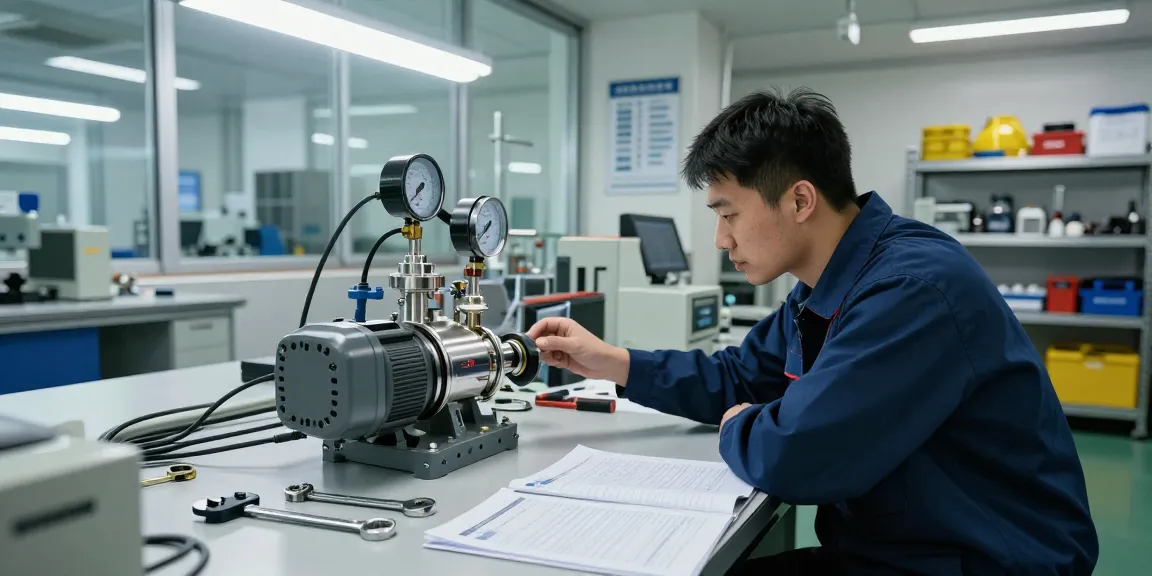
The functionality of chemical metering pumps revolves around several key components, including:
- Drive mechanism: This can be electric, pneumatic, or hydraulic, providing the necessary force to move the liquid.
- Flow rate adjustment: Many pumps allow for rate adjustments to meet varying process requirements.
- Control systems: Advanced models integrate control systems that enable real-time monitoring and adjustments based on process demands.
Applications of Chemical Metering Pumps in Industry
Chemical metering pumps are used across various industries due to their versatility and efficiency. Here are some significant applications:
Chemical Processing Applications
In the chemical processing industry, accurate dosing of reagents and catalysts is critical. Chemical metering pumps facilitate the precise addition of these substances to reactors, ensuring optimal reaction conditions and product quality.
Water Treatment Systems
The water treatment industry relies heavily on chemical metering pumps for injecting disinfectants, coagulants, and other treatment chemicals. Their precision helps maintain compliance with safety regulations and ensures the effective treatment of water.
Food and Beverage Manufacturing
In food and beverage manufacturing, chemical metering pumps are used to add flavors, preservatives, and other additives. The ability to accurately dosage these components is crucial to maintaining product consistency and safety standards.
Benefits of Using Chemical Metering Pumps
Implementing chemical metering pumps can provide numerous advantages for industrial operations:
Precision and Accuracy in Chemical Dosing
The primary benefit of chemical metering pumps is their ability to deliver precise volumes of liquids consistently. This accuracy minimizes waste and ensures that processes operate within defined parameters.
Improved Safety and Environmental Compliance
By accurately dispensing chemicals, these pumps help prevent spills and leaks, improving workplace safety and ensuring compliance with environmental regulations. This reduces the risk of accidents and enhances overall operational sustainability.
Cost-Efficiency in Operations
Efficient dosing translates to lowered operational costs. By reducing waste and optimizing chemical use, businesses can enhance their bottom line. Moreover, the durability of these pumps ensures that maintenance costs remain low over time.
Choosing the Right Chemical Metering Pump
Selecting the appropriate chemical metering pump is crucial for ensuring effective operations. Here are some factors to consider:
Factors to Consider in Selection
- Fluid characteristics: Understanding the chemical composition and viscosity of the fluids being pumped is essential for selecting the right pump type.
- Flow rate requirements: Determine the required flow rate and pressure conditions for your application.
- Material compatibility: Ensure that the pump materials are compatible with the fluids to prevent corrosion and degradation.
Common Mistakes to Avoid
When choosing a chemical metering pump, be cautious of the following common mistakes:
- Overlooking the importance of flow rate specifications.
- Neglecting to consider the viscosity and temperature of the fluid.
- Failing to account for the long-term cost of maintenance versus initial purchase price.
Manufacturer Recommendations and Certifications
Always consider manufacturers’ certifications and industry standards. Look for pumps that comply with ISO standards and have proven track records in similar applications.
Future Trends in Chemical Metering Pump Technology
The landscape of chemical metering pump technology is evolving, driven by advancements in various fields:
Advancements in Automation and IoT Integration
The integration of automation and Internet of Things (IoT) technologies is becoming increasingly prevalent. These innovations allow for enhanced monitoring and control of chemical dosing processes, improving efficiency and data collection.
Sustainability Practices in Pump Manufacturing
As industries move towards more sustainable practices, manufacturers are focusing on environmentally friendly materials and energy-efficient designs in their chemical metering pumps. The adoption of such practices not only reduces the carbon footprint but also enhances product appeal.
Predictions for Market Growth by 2026
Market analysts predict that the demand for chemical metering pumps will continue to grow, driven by the increasing need for precise dosing in various industrial applications. Factors such as rising environmental regulations and the expansion of the chemical process market will further fuel this growth.
What are chemical metering pumps used for?
Chemical metering pumps are primarily used for the precise dosing of chemicals in various industrial processes such as water treatment, chemical processing, and food manufacturing.
How do I choose the right chemical metering pump?
Choosing the right chemical metering pump involves considering factors such as fluid characteristics, required flow rate, material compatibility, and manufacturer certifications.
What are the advantages of chemical metering pumps?
The advantages include improved precision and accuracy in dosing, enhanced safety, environmental compliance, and cost-efficiency in operations.
What maintenance is required for chemical metering pumps?
Regular maintenance includes inspecting seals for leaks, ensuring the calibration is accurate, and checking for any wear in components that can affect performance.
How do chemical metering pumps differ from other pumps?
Chemical metering pumps are designed specifically for precision and accuracy in fluid dosing, while other pumps may focus on general fluid transfer without the same level of precision.