










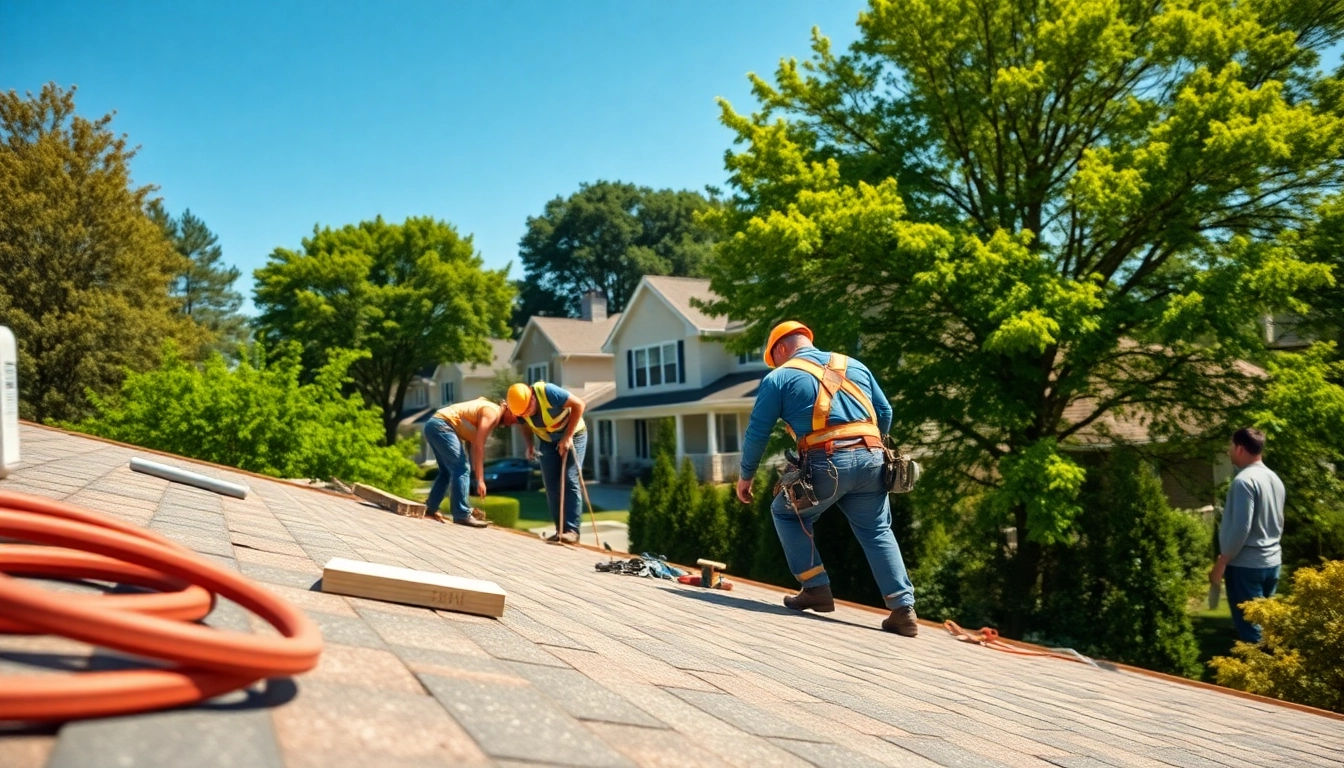
Understanding Roofing Options in South Jersey
When it comes to homeownership, the roof is one of the most essential aspects of protecting your investment, especially in regions like South jersey. With a diverse climate and varying weather conditions, it’s crucial to choose the right roofing materials and styles that suit local requirements. This article delves into the various roofing options available, their benefits, and considerations that South Jersey homeowners should keep in mind.
Common Roof Types and Their Benefits
The roofing industry offers a variety of materials, each with distinct advantages:
- Asphalt Shingles: Widely popular due to their affordability and ease of installation. They come in various colors and styles, providing excellent options for aesthetic appeal.
- Metal Roofing: Known for its durability and longevity, metal roofing can withstand strong winds and heavy snowfall, making it a strong choice for South Jersey.
- Wood Shingles: While beautiful and offering a natural look, they require more maintenance and are not fire-resistant. However, they can be suitable for certain neighborhoods that appreciate traditional aesthetics.
- Tile Roofing: Clay or concrete tiles are durable and energy-efficient. They’re ideal for providing a distinct look but can be more expensive and require reinforced support structures due to their weight.
- Flat Roofing: Commonly used in commercial buildings and some modern homes, flat roofs may require a different maintenance approach but can provide usable outdoor space and efficient drainage.
Climate Considerations for South Jersey Roofing
South Jersey experiences a unique climate characterized by hot summers and cold winters. This variation necessitates specific considerations for roofing materials:
- Heat Resistance: In the summer, a roof’s ability to reflect sunlight can significantly affect cooling costs. Materials like metal and lighter-colored asphalt shingles help in heat reflection.
- Snow and Ice Management: In winter months, roofs should be designed to handle snow load and prevent ice dams. Roofing materials that allow snow to slide off easily are preferable.
- Moisture Resistance: With the risk of rain and humidity, materials that provide water resistance, such as metal and properly treated wood, can be more effective in preventing leaks.
Choosing Quality Materials for Longevity
Investing in quality roofing materials is imperative for long-term performance. Here are some tips for identifying quality materials:
- Durability: Look for products that offer long warranties and are constructed to withstand South Jersey’s climatic challenges.
- Reputation: Research manufacturers with a solid reputation in quality roofing materials to ensure you are choosing reliable products.
- Energy Efficiency: Opt for roofing materials that offer energy efficiency ratings, which can save on cooling and heating costs in the long run.
Importance of Regular Roof Maintenance in South Jersey
Regular maintenance is crucial to extending the life of your roof and preventing costly repairs. Routine checks can identify problems before they escalate. Homeowners in South Jersey should focus on prevention through effective maintenance strategies.
Signs Your Roof Needs Repairs
Being vigilant about roof health can save you money and headaches. Watch for these common signs that indicate your roof may need repairs:
- Missing or Damaged Shingles: Look for shingles that are cracked, curled, or missing altogether.
- Leaks: Water stains on ceilings or walls can signal a roof leak that needs immediate attention.
- Sagging Areas: A sagging roof could indicate structural damage or weakened support systems.
- Mold or Mildew Presence: Moisture trapped in your roofing can lead to mold or mildew, indicating deeper issues.
Seasonal Maintenance Tips for Homeowners
Maintaining your roof requires seasonal attention. Here are tips tailored for each season:
Spring
- Inspect for damage from winter storms.
- Clear debris like branches and leaves from gutters and roof surfaces.
Summer
- Check for signs of heat damage, especially on asphalt shingles.
- Inspect flashing around pipes and vents for cracks or separations.
Fall
- Clean gutters to prepare for winter rain and snow.
- Inspect for loose shingles or weakened roofing materials.
Winter
- Monitor for ice dam formation to prevent leaks.
- Keep an eye on roof weight from accumulated snow and ice.
How Inspections Can Save You Money
Regular roof inspections can be a financial lifesaver. Here’s how:
- Identifying minor problems early can prevent major repairs.
- Inspections provide documentation for warranty claims.
- A well-documented roof condition can assist in property value assessments.
Selecting a Trusted Roofing Contractor in South Jersey
Choosing the right contractor is essential for a successful roofing project. Homeowners should consider various factors when selecting a qualified roofing contractor.
Key Qualities to Look For in a Roofing Company
When researching potential roofing contractors, look for these essential qualities:
- Experience: A contractor with years of experience in South Jersey will be more familiar with local regulations and weather conditions.
- Reputation: Look for reviews and testimonials from previous clients to assess reliability and quality of work.
- Professionalism: A good contractor will provide clear communication, adhere to timelines, and demonstrate expertise.
Understanding Contractor Estimates and Quotes
Receiving detailed estimates from contractors can help you make informed decisions. Understand the key elements:
- Materials Included: Ensure that the estimates include a breakdown of materials and their quality.
- Labor Costs: Understand how labor costs impact your overall estimate, including any warranties on workmanship.
- Timeline: Have a clear understanding of the job duration and any potential delays.
Checking Licenses and Insurance for Safety
Before hiring a roofing contractor, it’s critical to verify their credentials:
- Licenses: Ensure they’re properly licensed to perform work in South Jersey.
- Insurance: Check that the contractor carries liability insurance and workers’ compensation to protect you from liability.
Understanding Roofing Warranties in South Jersey
Roofing warranties vary significantly, and understanding them can save you from unpleasant surprises.
Types of Roofing Warranties Explained
There are generally two main types of roofing warranties:
- Materials Warranty: Covers defects in the roofing materials and is provided by the manufacturer.
- Workmanship Warranty: Provided by the contractor, this covers mistakes made during the installation process.
What to Check in Your Warranty Coverage
When reviewing your warranty, pay attention to:
- Duration: Understand how long your warranty covers defects.
- Transferability: If you plan to sell your home, check if the warranty can be transferred to the new owner.
- Exclusions: Familiarize yourself with what is not covered under the warranty.
Common Warranty Claims and How to File Them
If issues arise, knowing how to file a warranty claim is crucial:
- Document any issues with photos and detailed notes.
- Contact the manufacturer or contractor as outlined in the warranty terms.
- Follow the submission process closely and retain copies of all correspondence.
FAQs About Roofing in South Jersey
What are the best roofing materials for South Jersey?
Asphalt shingles and metal roofing are popular for their durability and performance in various weather conditions.
How often should I inspect my roof?
You should inspect your roof at least twice a year and after severe storms to catch potential issues early.
What are the signs of roof damage?
Look for missing shingles, leaks, sagging areas, or dark spots on ceilings, which may indicate damage or wear.
Can I install a roof myself?
While DIY roofing is possible, hiring professionals ensures safety and proper installation, which protects your investment.
How long does a new roof last?
The lifespan of a roof varies by material; asphalt shingles last around 15-30 years, while metal roofs can last 40+ years.