









Understanding Colonial Home Renovation
Colonial homes, with their inherent charm and historical significance, serve as a canvas for transformation and rejuvenation. The process of colonial home renovation focuses on preserving the character of these homes while introducing modern conveniences. As such, embarking on a renovation can be an exciting yet challenging journey that can significantly enhance the value and appeal of your property.
What is Colonial Home Renovation?
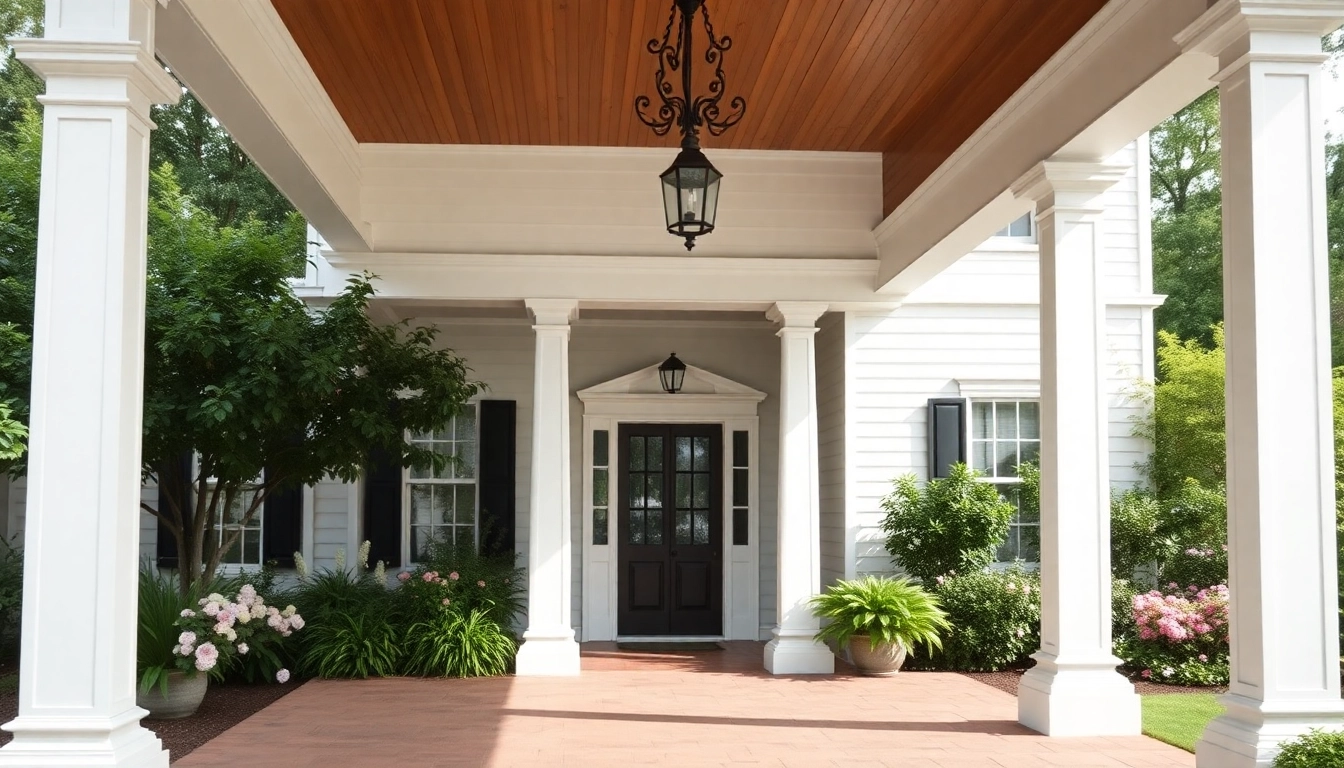
Colonial home renovation encompasses the modification and restoration of homes built in the colonial style—characterized by symmetrical facades, gabled roofs, and often decorative elements such as columns and shutters. This renovation aims to update essential features, expand living spaces, improve functionality, and incorporate modern aesthetics while keeping the original charm intact. Whether it’s a full-scale restoration or a minor facelift, the goal is to respect the historical context while meeting contemporary needs.
Key Characteristics to Preserve
When renovating a colonial home, certain characteristics should be prioritized to maintain the original charm. Key features include:
- Symmetrical Design: Colonial homes often feature a balanced arrangement of windows and doors. Maintaining this symmetry is crucial for visual continuity.
- Original Materials: Using period-appropriate materials, such as wood siding, brick, or stone, helps retain authenticity. Reclaimed materials can also be a great choice.
- Fireplaces: Many colonial homes feature prominent fireplaces, which can be restored to serve as focal points in living areas.
- Windows: Original double-hung wood windows contribute to colonial aesthetics. Consider restoring instead of replacing them.
Benefits of Renovating Colonial Homes
Renovating colonial homes offers numerous advantages, including:
- Enhanced Property Value: Quality renovations can significantly increase the resale value of historic properties.
- Modern Comforts: Incorporating updated heating, cooling, and electrical systems ensures your home is both comfortable and efficient.
- Preservation of Heritage: Renovating allows homeowners to preserve a piece of history, contributing to the community’s cultural fabric.
- Personalized Spaces: Homeowners can create spaces that reflect their tastes while maintaining the building’s historical integrity.
Planning Your Colonial Home Renovation
Effective planning is foundational to a successful renovation. This phase involves understanding the needs of your home and setting a clear direction for your project.
Assessing Your Home’s Needs
Conducting a thorough assessment is vital. Identify which areas require upgrades, from structural repairs to cosmetic improvements. Engage a professional to help evaluate:
- Foundational issues
- Roof integrity
- Electrical and plumbing systems
- Insulation and energy efficiency
Document your findings and prioritize based on urgency and budget.
Setting a Realistic Budget
Establishing a budget will help streamline the renovation process. Consider both tangible costs such as materials and labor, as well as intangible factors like potential hidden issues. A good approach is to:
- Break down the costs for labor, materials, permits, and unexpected expenses.
- Maintain a contingency fund of at least 10-20% for unforeseen challenges.
- Review costs with professionals to ensure all aspects are covered.
Choosing the Right Design Elements
The design elements you choose can dramatically impact the comfort and aesthetic value of your colonial home. Aim for a cohesive look by considering:
- Color Scheme: Research period-appropriate color palettes to respect the home’s heritage.
- Flooring: Opt for traditional materials such as hardwood or period-style tiles.
- Fixtures and Fittings: Selecting hardware, light fixtures, and cabinetry that align with the colonial style enhances authenticity.
Best Practices for Colonial Home Renovation
Following best practices will facilitate a smoother renovation process and yield aesthetically pleasing and functional results.
Incorporating Modern Amenities
Modern amenities can coexist with historic elements to create comfortable living spaces. Integration of:
- Smart Home Technology: Ensure that tech upgrades blend seamlessly with the home’s character.
- Energy Efficient Solutions: Look for modern windows, insulation, and HVAC systems that reduce energy costs while maintaining style.
- Updated Kitchens and Bathrooms: These areas are often prioritized due to their impact on daily life and overall home value.
Selecting Appropriate Materials
Choosing the right materials is essential for both renovation quality and historical fidelity. Consider selecting materials like:
- Natural Wood: For beams, trims, and frames, natural wood enhances the home’s authenticity.
- Brick and Stone: When repairing exterior walls, these materials offer durability and aesthetic appeal.
- Energy-Efficient Windows: If replacements are necessary, select windows that replicate the original style but offer improved thermal performance.
Working with Architects and Contractors
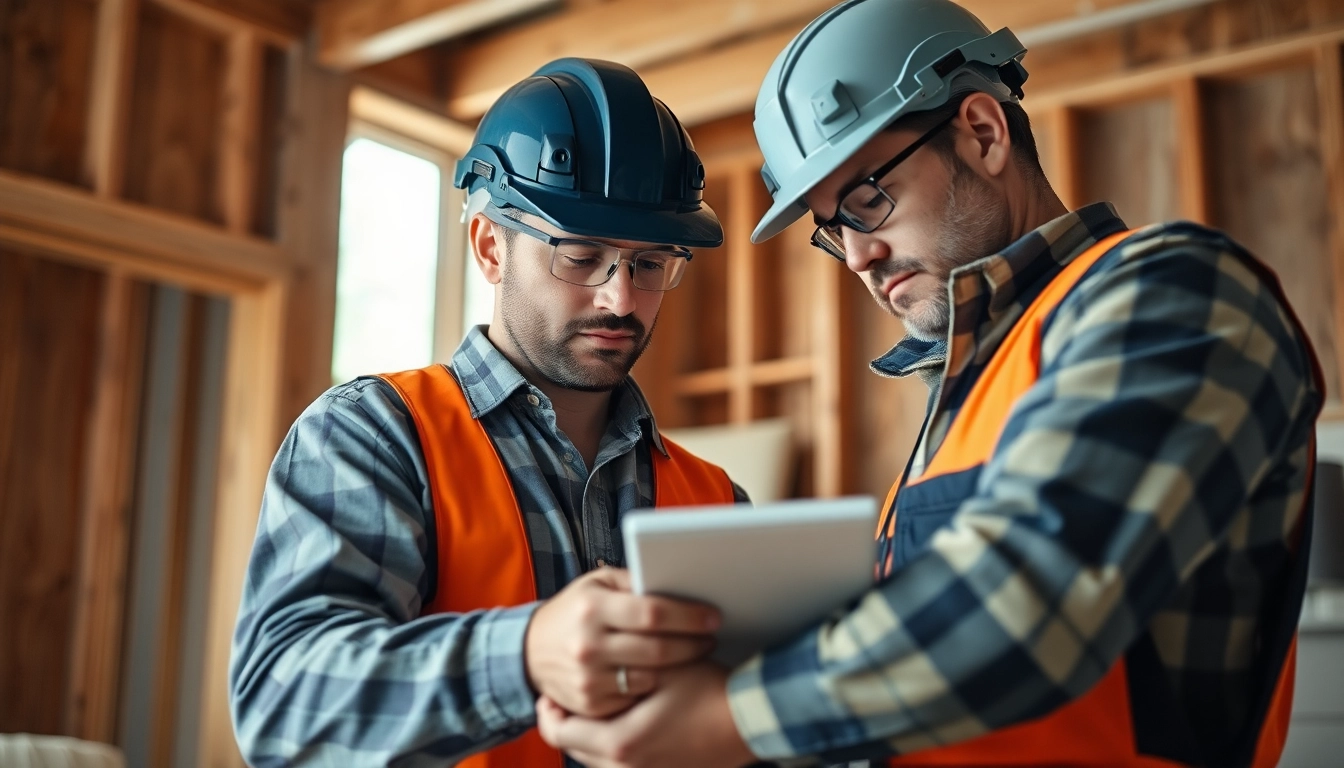
Collaboration with experienced professionals is key. An architect can provide insights into maintaining historical accuracy while a contractor can ensure quality workmanship. When choosing your team:
- Seek specialists in historic renovations.
- Check references and previous work samples to gauge suitability.
- Establish clear lines of communication to discuss timelines and expectations.
Common Challenges in Colonial Home Renovation
While renovations can breathe new life into colonial homes, several challenges can arise, and it’s essential to be well-prepared.
Dealing with Structural Limitations
Many colonial homes were built with structural constraints that can complicate renovation plans. Solutions include:
- Engaging structural engineers for load-bearing evaluations.
- Understanding local building codes to navigate limitations.
- Identifying areas where modern construction techniques can enhance stability.
Historic Preservation Considerations
When renovating a historic home, consider preservation laws and the significance of the home. To navigate this, homeowners should:
- Research local historic district guidelines.
- Consult with preservation boards if necessary.
- Aim for renovations that respect and reflect the original design.
Budget Overruns and Time Delays
Timing and budgeting are critical in renovations. To minimize risks:
- Implement a thorough project timeline with milestones.
- Regularly review spending against the budget to spot potential overruns.
- Maintain flexibility to adjust plans as needed while ensuring priorities are clear.
Showcasing Your Colonial Home Renovation
Once the renovation is complete, it’s essential to celebrate and showcase your hard work. Here’s how to share your story:
Before and After Gallery
Creating a visual depiction of your renovation can inspire others. Consider maintaining a gallery on platforms like social media or personal blogs. Key elements to highlight include:
- Document key stages of the renovation, tracing your progress.
- Display distinct design choices that blend the old and new.
- Share transformations that illustrate improved functionality and aesthetics.
Sharing Your Story: Lessons Learned
Sharing your renovation journey encourages community interaction and provides valuable insights for others. Reflect on lessons such as:
- The importance of setting realistic timelines and budgets.
- Effective communication with professionals.
- Candid reflections on unexpected challenges and how they were overcome.
Engaging with Your Community
Your colonial home renovation can also foster greater community ties. Consider engaging by:
- Hosting open houses to share your renovated space.
- Participating in local history or architecture tours.
- Joining community forums to exchange tips and experiences.
FAQs About Colonial Home Renovation
What is the best way to maintain the historical features of my colonial home?
Focus on restoration rather than replacement. Engage professionals experienced in historical preservation to ensure authenticity in your renovation.
How can I add modern elements without losing the colonial charm?
Select design elements that blend well, such as using contemporary furniture with classic architecture or incorporating tech while keeping historical aesthetics intact.
What are common structural issues in colonial homes?
Common issues include foundation settlement, outdated electrical systems, and roof replacements. Regular inspections can help identify problems early on.
How do I choose the right materials for my renovation?
Research period-appropriate materials and consult with experts to ensure that both authenticity and quality standards are met for your renovation.
What should I do if I encounter unapproved alterations during renovation?
Consult with a local preservation board or architect. It’s critical to align your renovation plans with preservation guidelines to avoid violations.