









Understanding Cape Cod Homes
Cape Cod homes are an iconic representation of American architecture, particularly known for their charming, symmetrical design and practical functionality. Emerging from the New England coastal landscape, these homes blend seamlessly with the story of early American settlers, thus offering a rich historical significance that many homeowners cherish today. Their traditional charm, rooted in simplicity, and their adaptation to contemporary needs make them a popular choice for expansions and renovations. With the charm of cape cod homes comes a wealth of design opportunities to preserve their unique character while modernizing spaces to accommodate changing lifestyles.
Historical Significance of Cape Cod Architecture
Historically, Cape Cod architecture emerged in the 17th century, inspired by the vernacular styles brought by English settlers. This influence resulted in homes designed to withstand harsh weather, featuring steep roofs, dormers, and a small footprint. The design elements aimed at efficiency and functionality, primarily to withstand the cold northern winters while providing shelter against storms. Over time, these homes became synonymous with the New England coastline, representing the resilience and practicality of early American life.
Key Features of Cape Cod Homes
The hallmark of Cape Cod homes lies in their key architectural features. These include:
- Steeply Pitched Roofs: Often gabled and pitched at a 45-degree angle, these roofs are designed for snow runoff.
- Symmetrical Layout: Typically, the front façade is symmetrical, providing a sense of balance with a central door flanked by windows.
- Dormer Windows: These protrude from the roofline, often used to add light and space to upper levels.
- Wooden Siding: Traditionally painted in muted colors, the wooden clapboard siding contributes to the homes’ authenticity and charm.
- Simple Interiors: Interior spaces are usually straightforward, emphasizing functionality over ornate design.
Modern Interpretations of Traditional Designs
While maintaining the essence of traditional Cape Cod architecture, modern interpretations take advantage of contemporary materials and layouts. Many homeowners are incorporating open floor plans, larger windows for increased natural light, and sustainable materials. Though the exterior aesthetic is preserved, interiors are often remodeled for modern conveniences, creating unique living spaces that reflect both past traditions and current lifestyles.
Designing an Effective Home Expansion
When homeowners consider an expansion to their Cape Cod home, careful planning is essential to maintain harmony with the existing structure. Expanding an older home can be a delicate balance between adding modern amenities while respecting the historical design. Here are key considerations to keep in mind for a successful expansion.
Planning Your Expansion: Key Considerations
Before starting any expansion project, homeowners should take several factors into account:
- Purpose: Define what you want to achieve with your expansion—more space for family, a home office, or an entertainment area.
- Budget: Establish a clear budget that accounts for all aspects of the expansion, including unforeseen costs.
- Permits and Zoning: Confirm local zoning laws and obtain necessary permits to avoid legal challenges.
- Design Cohesion: Ensure the new space blends seamlessly with existing elements, maintaining the Cape Cod aesthetic.
Choosing the Right Materials for Extensions
The choice of materials plays a vital role in the success of a home expansion. It’s important to select materials that not only reflect the style of cape cod homes but also offer sustainability and durability. Common materials include:
- Matching Siding: Use clapboard, shingles, or other siding types that match the original house to create a cohesive look.
- Energy-Efficient Windows: To maintain the home’s climate control, choose ENERGY STAR-rated windows that mimic original styles.
- Roofing Materials: Ensure that roofing matches the original style and color, maintaining the inviting charm of Cape Cod architecture.
Visually Integrating New Spaces with Existing Structures
To create a harmonious look between the original home and the new addition, visual integration is essential. Key strategies include:
- Use of Colors: Stick to the existing color palette when selecting paints or siding materials.
- Architectural Features: Consider adding dormers or gables that echo the style of the original home.
- Landscaping: Existing landscaping can be reused or adapted to tie the new space into the overall aesthetic.
Ideas for Attaching a New Garage
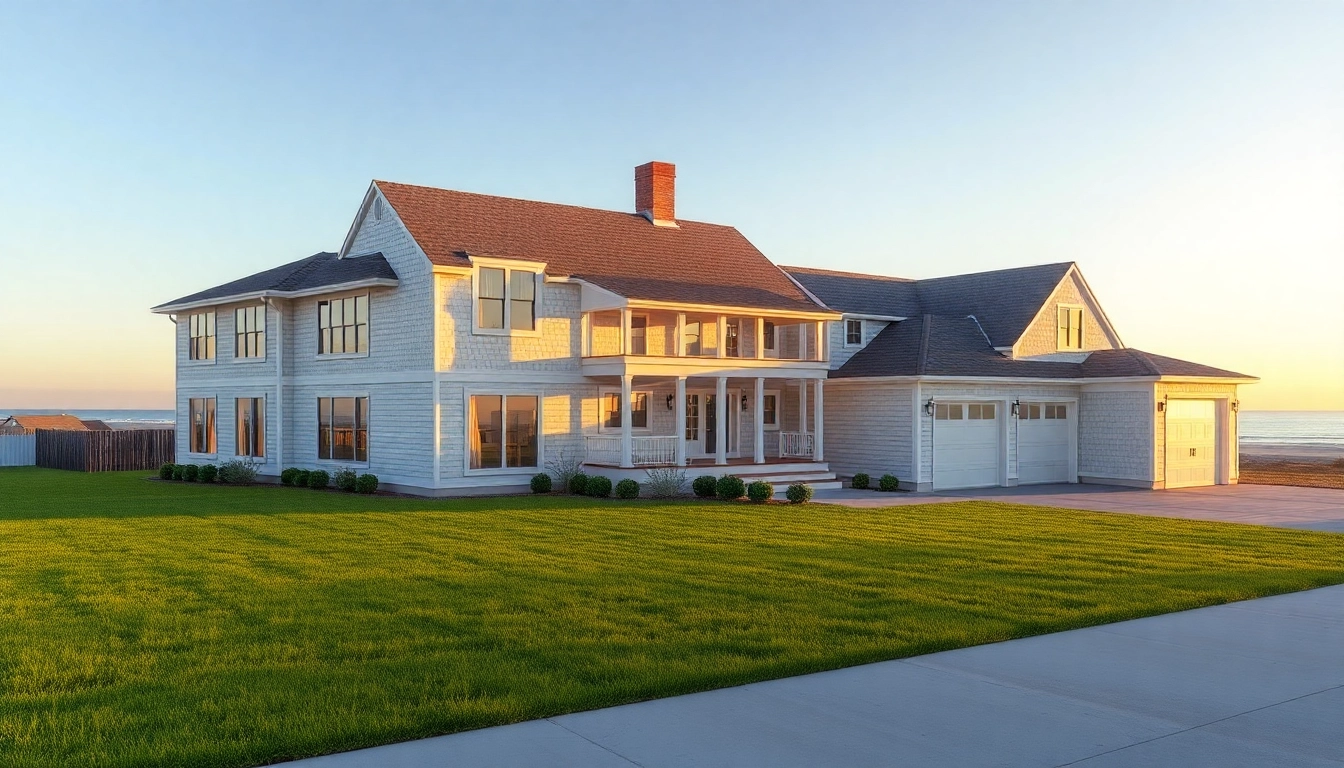
Adding an attached garage is a practical solution for enhancing space and functionality for Cape Cod homes. It not only adds utility but also increases property value when designed thoughtfully.
Design Styles for Garage Attachments
When choosing a design for your garage, consider styles that complement your Cape Cod home:
- Gable Style: A gable roof mirrors the primary structure’s slope, providing a cohesive look.
- Cross-Gable: This design offers a more complex roofline, adding visual interest while remaining connected.
- Hip Roof: A hip roof can provide a softer curve that may enhance the overall aesthetic.
Functional and Aesthetic Advantages of Attaching a Garage
There are several functional and aesthetic perks to adding an attached garage, including:
- Convenience: Direct access to the home ensures shelter from the elements when entering and exiting.
- Storage Opportunities: An attached garage can serve as additional storage space for tools, outdoor gear, and seasonal items.
- Property Value: Properties with garages often see a higher market value, appealing to a broader range of potential buyers.
Architectural Harmony: Merging Styles and Colors
To achieve architectural harmony between the new garage and the existing home, it’s crucial to consider:
- Material Consistency: Use similar materials to bridge the visual gap, ensuring that the garage feels like a natural extension of the home.
- Color Coordination: Select colors that are in line with the main house to maintain the overall aesthetic.
- Landscaping Integration: Landscape design can help in syncing the detached structure with the overall property layout.
Maximizing Space in Cape Cod Home Expansions
Maximizing available space in Cape Cod homes can be a challenge, especially in a climate where outdoor living plays an essential role. Here are some strategies for making the most out of any expansion.
Smart Solutions for Small Spaces
Small spaces require innovative design solutions, which can include:
- Multi-Functional Furniture: Use furniture pieces that serve dual purposes, such as a sofa bed or storage ottoman.
- Built-In Shelving: Wall-mounted shelves can free up floor space while providing storage.
- Open Floor Plans: Consider breaking down walls to create a larger, more fluid space that feels open and inviting.
Utilizing Outdoor Areas for Extended Living
Outdoor spaces can serve as extensions of your home, effectively increasing livable area. Consider the following:
- Decks and Patios: Create outdoor living spaces for entertaining or relaxing with family, complete with comfortable seating and dining areas.
- Outdoor Kitchens: Add a cooking space that marries functionality and fun, allowing for seamless transitions between indoor and outdoor cooking.
- Lush Landscaping: Incorporate gardens that are both visually pleasing and functional, extending the home’s charm outdoors.
Incorporating Storage Solutions in Design
Storage needs can readily influence design choices. To maintain an organized space in your expanded Cape Cod home, consider:
- Under-Stair Storage: Utilize often-overlooked areas for added closet space or shelving.
- Built-In Units: Incorporate built-ins along hallways or in living areas that add aesthetics while offering utility.
- Attic and Basement Use: Transform these spaces into functional areas for storage or hobbies to keep living spaces clutter-free.
Frequently Asked Questions
What makes Cape Cod homes unique in design?
Cape Cod homes are characterized by their symmetrical shape, steep roofs, and dormer windows, reflecting a simple yet functional aesthetic tied to their New England roots.
How can I ensure my home expansion matches my current Cape Cod home?
Focus on using similar architectural features, materials, and colors. Consulting with an architect experienced in Cape Cod designs can ensure cohesion.
What materials are best for building an attached garage?
Wood, brick, or composite siding are ideal. Choose materials that match your home’s exterior to maintain aesthetic continuity.
How can I maximize natural light in my expansion?
Incorporate large windows and glass doors, as well as skylights, to draw in natural light and ensure the new space feels open and inviting.
Are there specific zoning laws to consider for home expansions?
Yes, always check local zoning laws or homeowners’ association guidelines. Setbacks, height restrictions, and design reviews may apply.