










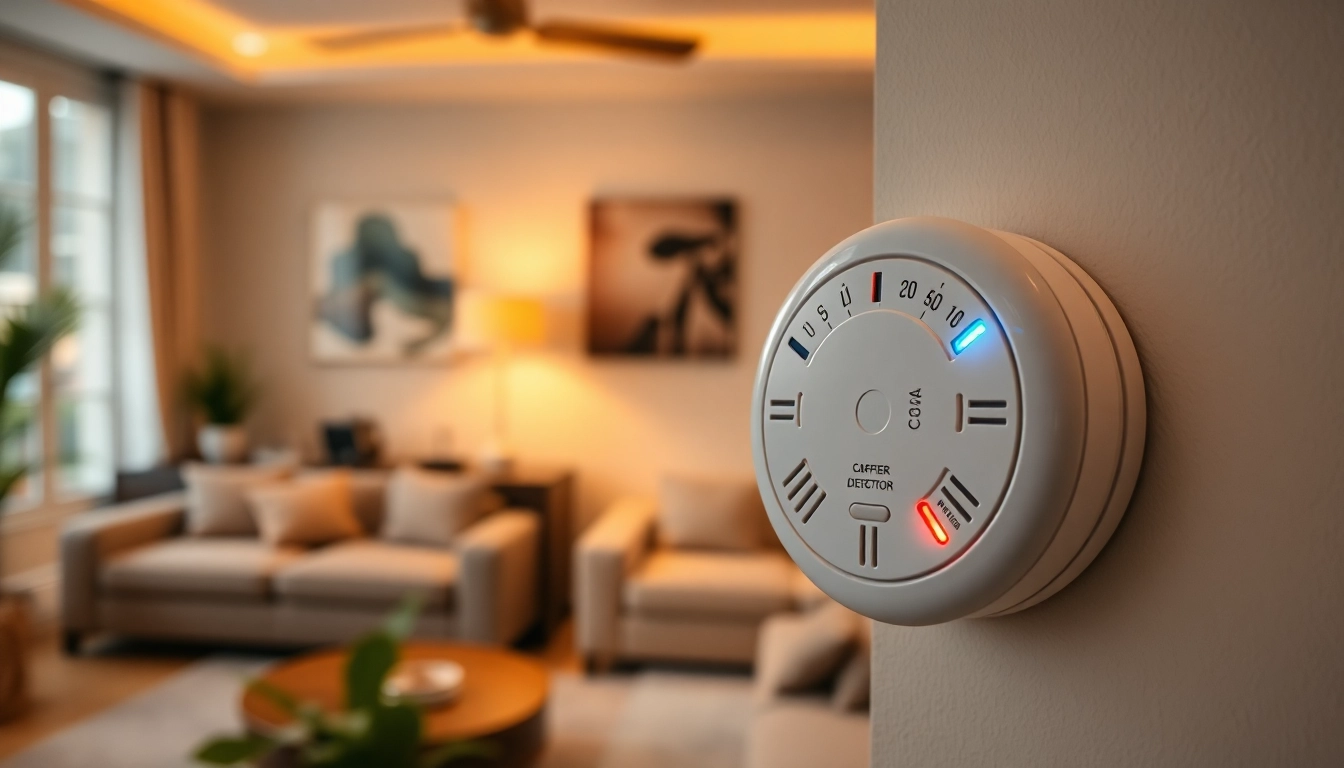
Understanding Carbon Monoxide Detectors
What Is a Carbon Monoxide Detector?
A carbon monoxide detector is a safety device designed to detect the presence of carbon monoxide (CO) in the atmosphere. This gas is colorless, odorless, and tasteless, making it particularly dangerous as it can cause poisoning without any warning signs. These detectors are generally installed in homes and workplaces to provide an early warning for occupants, allowing them to take necessary actions to prevent serious health hazards or fatalities.
How Do Carbon Monoxide Detectors Work?
Carbon monoxide detectors utilize sensors to monitor the air for carbon monoxide levels. Most commonly, they contain either electrochemical sensors or metal oxide semiconductor sensors. Electrochemical detectors use chemical reactions to measure CO levels, while metal oxide sensors detect changes in electrical resistance when CO is present. Once the detected level exceeds a set threshold, the alarm will sound, alerting occupants to the potential danger. Many modern detectors are also equipped with digital displays to show CO levels in real-time.
Importance of Carbon Monoxide Detectors
The importance of carbon monoxide detectors cannot be overstated. Carbon monoxide poisoning can occur quickly and silently, leaving individuals unresponsive. According to the CDC, each year, roughly 20,000 people visit the emergency room due to CO poisoning, with about 400 fatalities. Having a functioning carbon monoxide detector provides an invaluable layer of safety, helping to prevent these tragic outcomes. For additional resources and information related to carbon monoxide detector beeping, it’s recommended to stay informed about the proper maintenance and best practices.
Common Causes of Carbon Monoxide Detector Beeping
Low Battery Warning
One of the most common reasons a carbon monoxide detector beeps intermittently is a low battery. When the battery life is nearing its end, most detectors emit a chirping sound or beep at regular intervals to alert the user. It is essential to replace the batteries as soon as this alert is heard to ensure the device remains operational. Depending on the detector type, batteries may need replacement every 6 to 12 months, so regular checks are crucial.
Malfunctioning Device
Another reason for beeping could be a malfunctioning device. Just like any electronic device, carbon monoxide detectors can experience faults that compromise their functionality. If the unit is beeping despite having fresh batteries, it may indicate that the detector is malfunctioning or has reached the end of its life cycle. Most detectors have a shelf-life of 5 to 7 years, so if it’s close to that age, replacement may be the best course of action. Regular checks and maintenance are essential to ensure your safety.
Real Carbon Monoxide Presence
Perhaps the most alarming reason for beeping is the actual presence of carbon monoxide in the environment. If the detector goes off, it could indicate that there is a dangerous level of CO in the air, stemming from malfunctioning appliances, blocked vents, or improper combustion processes. Under such circumstances, one must take immediate action to evacuate the premises and seek assistance from emergency services, as ignoring the warning could lead to severe health risks or even fatalities.
How to Respond When Your Carbon Monoxide Detector Beeps
Immediate Actions to Take
When faced with a beeping carbon monoxide detector, immediate action is crucial. If the alarm sounds, rush to check if anyone in the household is experiencing symptoms of CO poisoning, including headaches, dizziness, weakness, or nausea. If any symptoms are present, evacuate everyone from the premises immediately, ensuring to prioritize children and vulnerable individuals. Once safely outside, call emergency services and do not re-enter the building until it has been deemed safe by professionals. Do not take chances with your health.
When to Call for Help
If your carbon monoxide detector is beeping and you suspect CO presence, call for help without delay. Emergency services have trained professionals equipped with tools to identify the presence of carbon monoxide accurately. If anyone is experiencing symptoms, ensure you communicate this information to the responders. Swift action can save lives, so make it a priority to seek assistance if there is any doubt about safety.
Resetting Your Detector
After addressing the reason behind the beeping, resetting the detector is a necessary step. Most units have a reset button; however, ensure that you follow the manufacturer’s instructions. If the detector continues to beep after a reset and battery replacement, it may indicate malfunction, and you should consider replacing it. Remember, safety is your priority, and a reliable device is essential for your peace of mind.
Preventive Measures for Carbon Monoxide Safety
Regular Maintenance of Detectors
Regular maintenance of carbon monoxide detectors significantly reduces the chances of malfunction. Test your detectors monthly by pressing the test button. Additionally, replace batteries as needed and keep the device clean and free from dust or debris. It’s also advisable to replace the entire unit every 5-7 years, as older detectors may become less reliable over time. Keeping a log of maintenance ensures timely checks and replacements.
Proper Ventilation Techniques
Proper ventilation is critical in preventing carbon monoxide buildup. Ensure that all combustion appliances, such as gas furnaces, water heaters, and stoves, are adequately vented. Regularly inspect vents and chimneys for blockages, and clear any obstructions or nests. During colder months, make sure that appliances are not being blocked by snow or ice, which could lead to CO accumulation indoors.
Understanding Symptoms of CO Exposure
Understanding the symptoms of carbon monoxide exposure is imperative for early detection and response. Initial symptoms can include headache, dizziness, weakness, nausea, and confusion. Prolonged exposure can lead to loss of consciousness and death. Education about these symptoms can increase the likelihood of timely action, reducing the risk of severe outcomes. Always err on the side of caution—if exposure is suspected, evacuate and seek help.
FAQs About Carbon Monoxide Detector Beeping
What does it mean when my carbon monoxide detector beeps?
A beeping sound typically indicates a malfunction or that the device needs a battery replacement. It may also signal the presence of carbon monoxide.
How often should I replace my carbon monoxide detector?
Carbon monoxide detectors should be replaced every 5-7 years, depending on the manufacturer’s recommendations.
Can I silence my carbon monoxide detector?
You can temporarily silence your detector to address a low battery issue, but ensure to replace the battery to maintain safety.
Is it safe to ignore a beeping carbon monoxide detector?
No, ignoring a beeping detector can put you at risk. Always respond promptly to ensure safety.
What steps to take if my detector is indicating carbon monoxide presence?
Evacuate the area immediately, call emergency services, and do not re-enter until professionals confirm it is safe.